
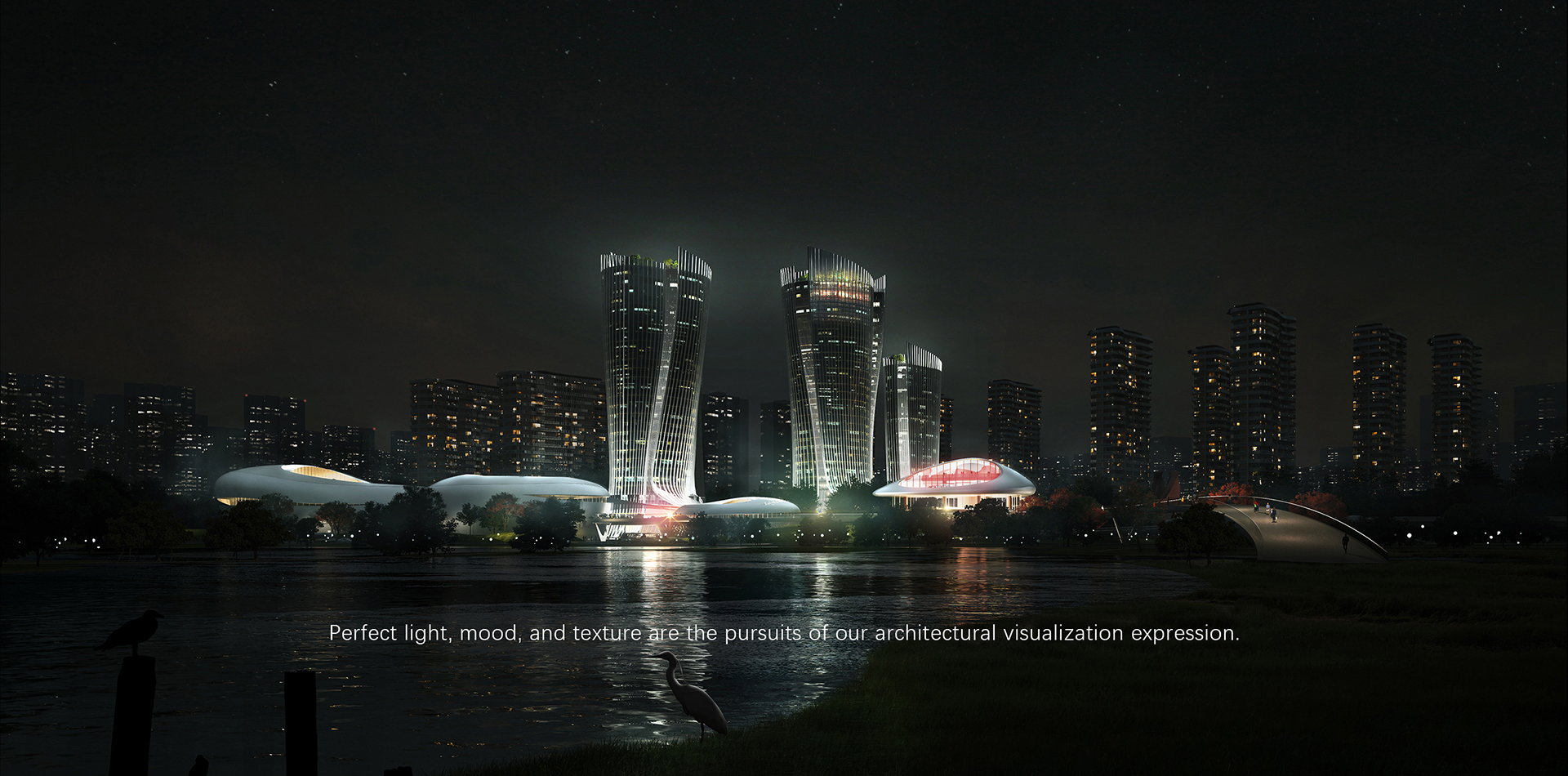
Top China Manufacturer of High-Quality Architecture Models
As a professional in the realm of architecture, I understand the significance of a high-quality architecture model in bringing your vision to life. Our architecture models, proudly manufactured in China, serve as an essential tool for architects, developers, and investors seeking clarity and precision. Imagine having a tangible representation of your project that not only impresses stakeholders but also helps in better decision-making. Our models are crafted with meticulous attention to detail, showcasing every aspect of your design from various angles. We cater to both large-scale developments and personalized projects, ensuring each model reflects your unique style and specifications. Choosing us means you’re partnering with a reliable manufacturer who values quality, innovation, and customer satisfaction. Let us help you convey your architectural ideas effectively, elevating your presentations and proposals to the next level. If you need an architecture model that stands out, we are here to make that happen.
Architecture Model Is The Best Where Innovation Meets 2025
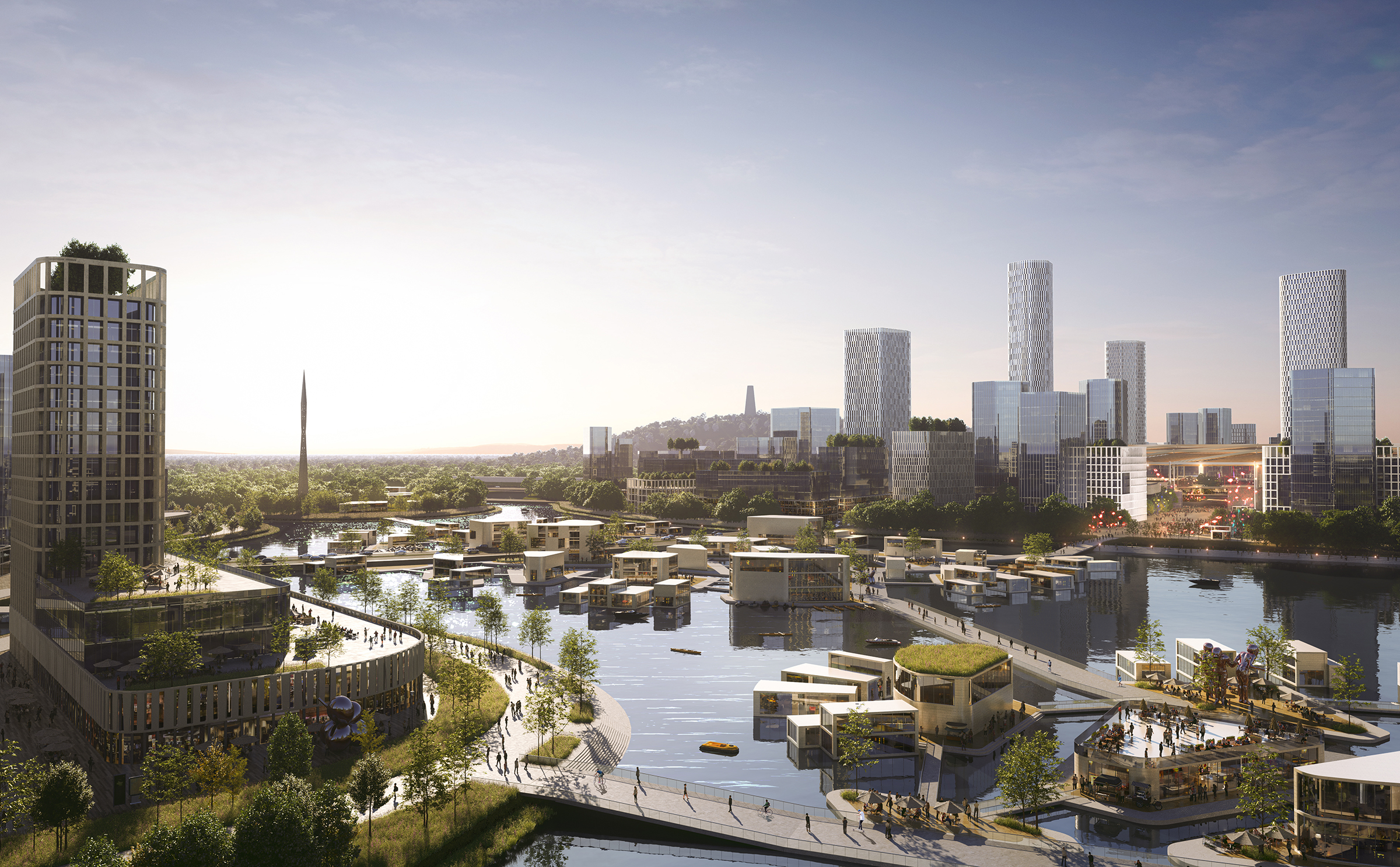
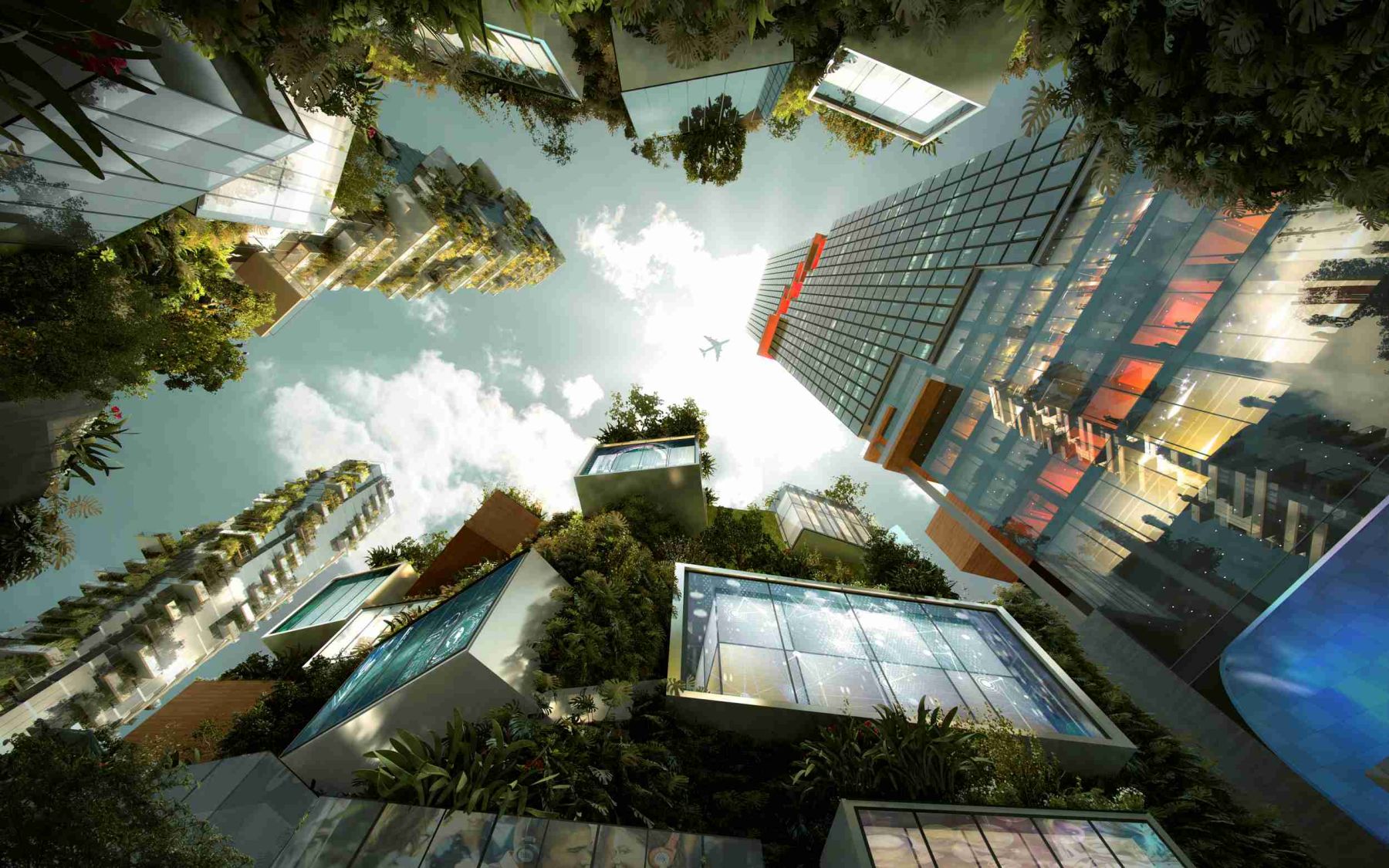
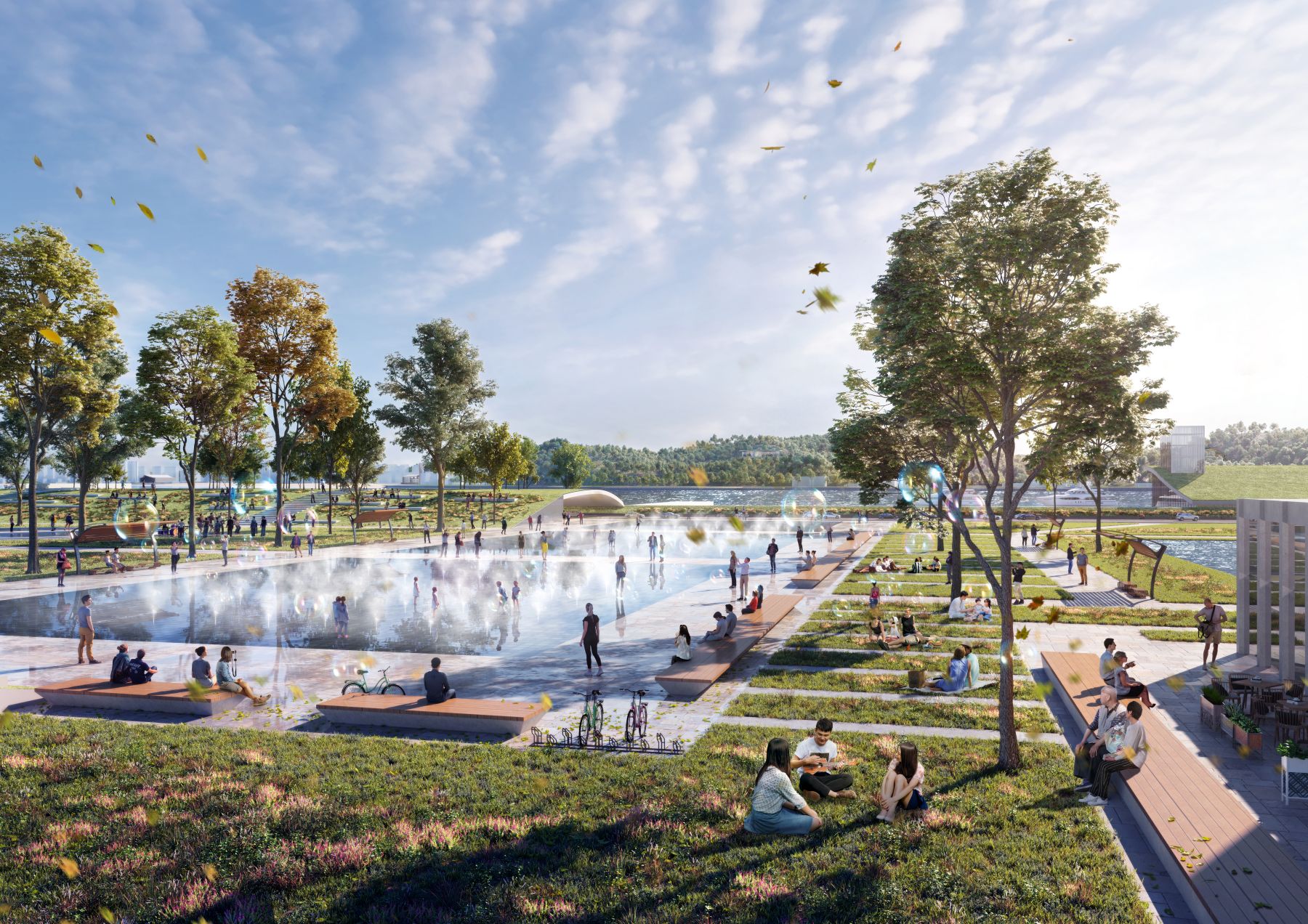
As we look ahead to 2025, the intersection of architecture and innovation has never been more vital for global procurement professionals seeking cutting-edge solutions. The evolution of architecture models is not merely a trend; it represents a paradigm shift where creativity meets advanced technology. By integrating sophisticated computer graphics and visualization techniques, industry experts are redefining how architectural concepts are presented and brought to life. The future of architecture is characterized by enhanced collaboration among architects, engineers, and stakeholders. Through the development of highly detailed 3D models and simulations, buyers can experience firsthand the potential of their projects, allowing for informed decision-making and reduced risk. This innovation not only streamlines project workflows but also fosters sustainable design practices, ensuring that resources are utilized efficiently while minimizing environmental impact. In this transformative landscape, global procurement buyers have the opportunity to leverage these architectural advancements to enhance their project portfolios. By embracing state-of-the-art modeling technologies, they can unlock new horizons in design flexibility, cost-effectiveness, and overall project success. As we move closer to 2025, the demand for innovative architectural solutions will continue to grow, providing a fertile ground for collaboration and profit for forward-thinking procurement specialists.
Architecture Model Is The Best Where Innovation Meets 2025
| Innovation Area | Description | Impact | Projected Adoption Rate | Key Challenges |
|---|---|---|---|---|
| Sustainable Design | Incorporating eco-friendly materials and technologies. | Reduces carbon footprint and energy consumption. | 75% | Higher initial costs, market awareness. |
| Smart Buildings | Integrating IoT devices for better management. | Enhances energy efficiency and user comfort. | 60% | Data privacy concerns, technological integration. |
| Modular Construction | Using prefabricated building components. | Speeds up construction time and reduces waste. | 50% | Regulatory hurdles, market perception. |
| 3D Printing | Utilizing 3D printing technology in construction. | Allows for complex designs and lower costs. | 30% | Material limitations, scalability issues. |
| Virtual Reality | Using VR for architectural visualization. | Enhances client engagement and design accuracy. | 45% | High development costs, user adaptability. |
Related Products
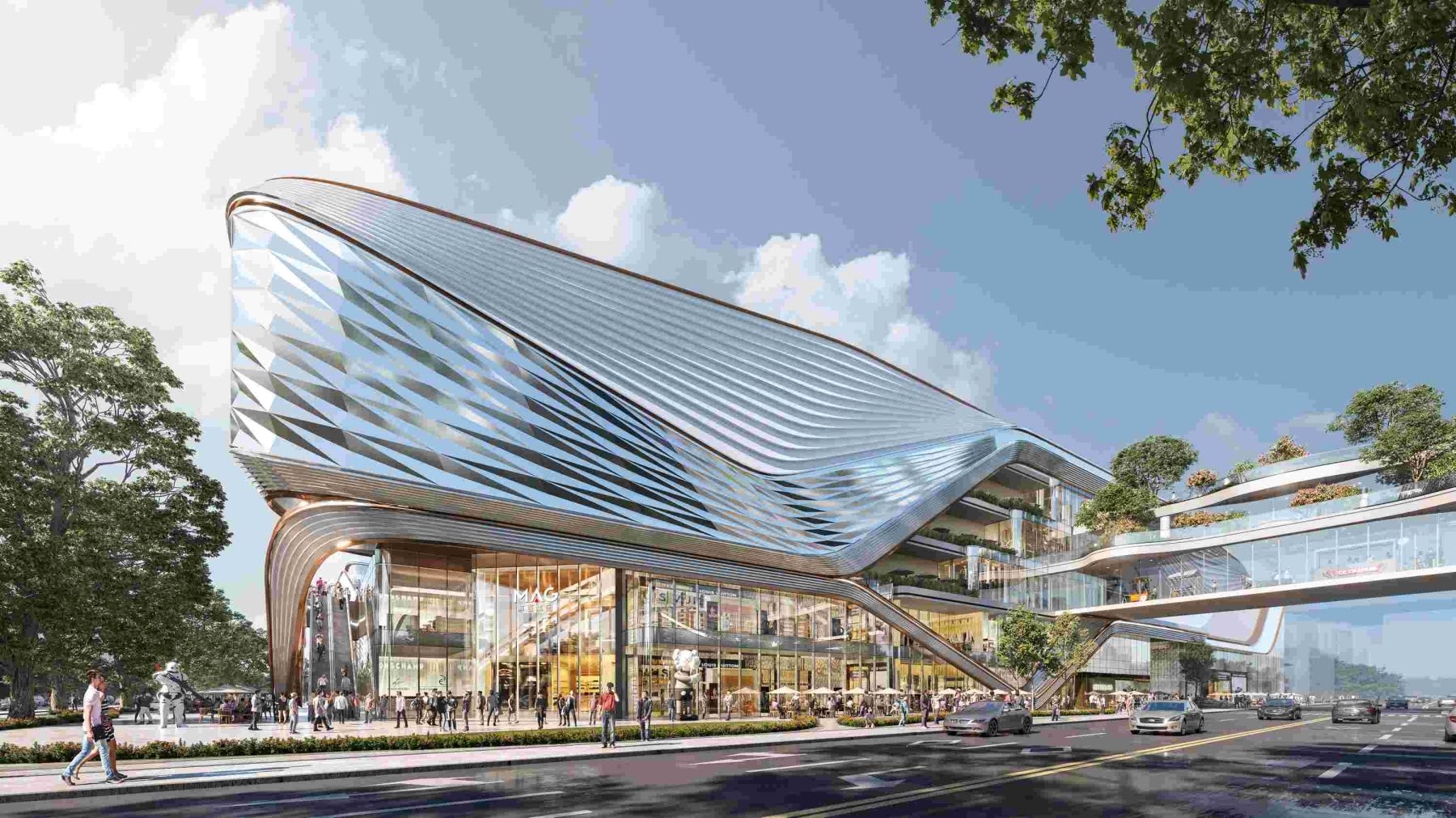
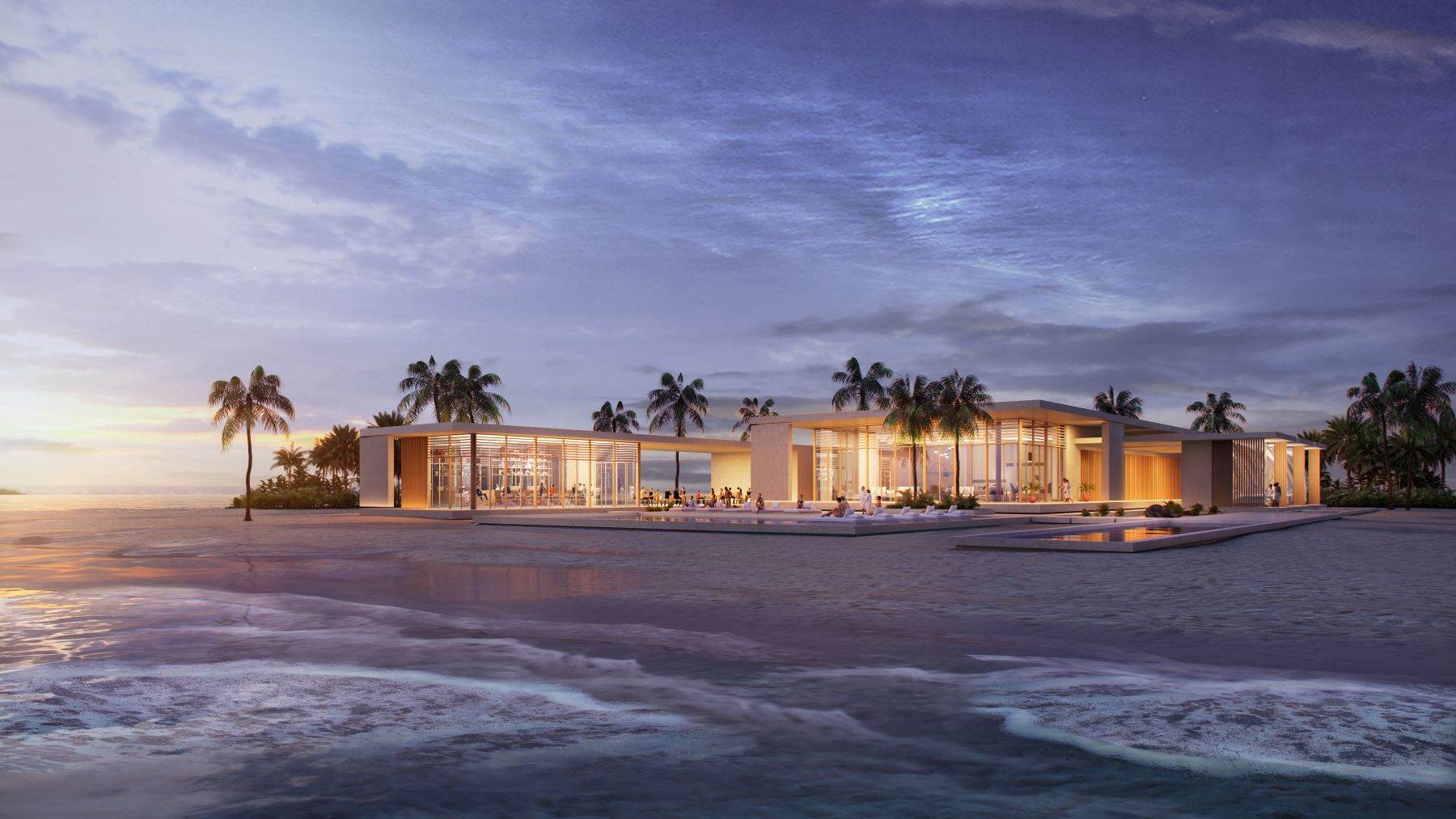
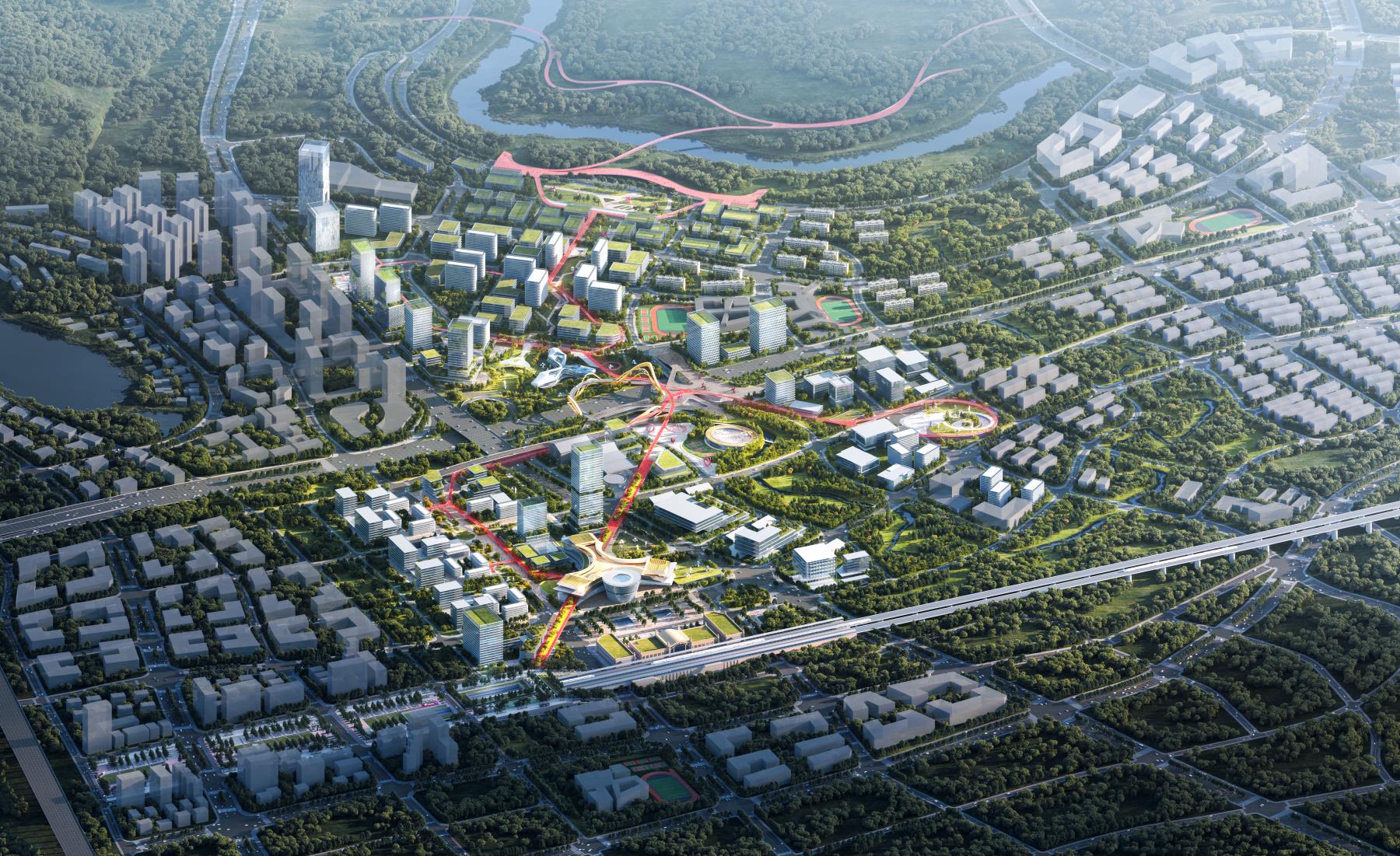
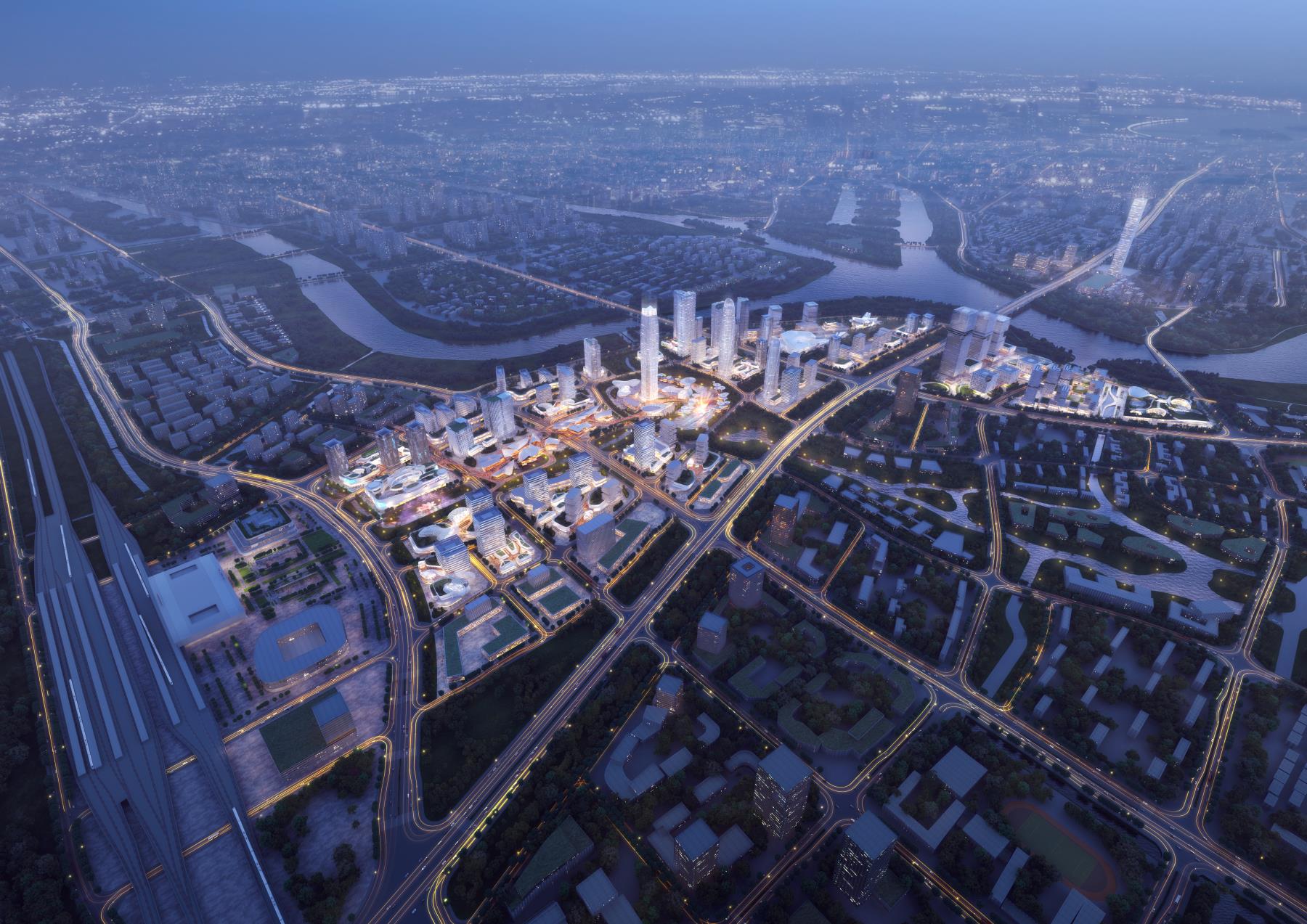
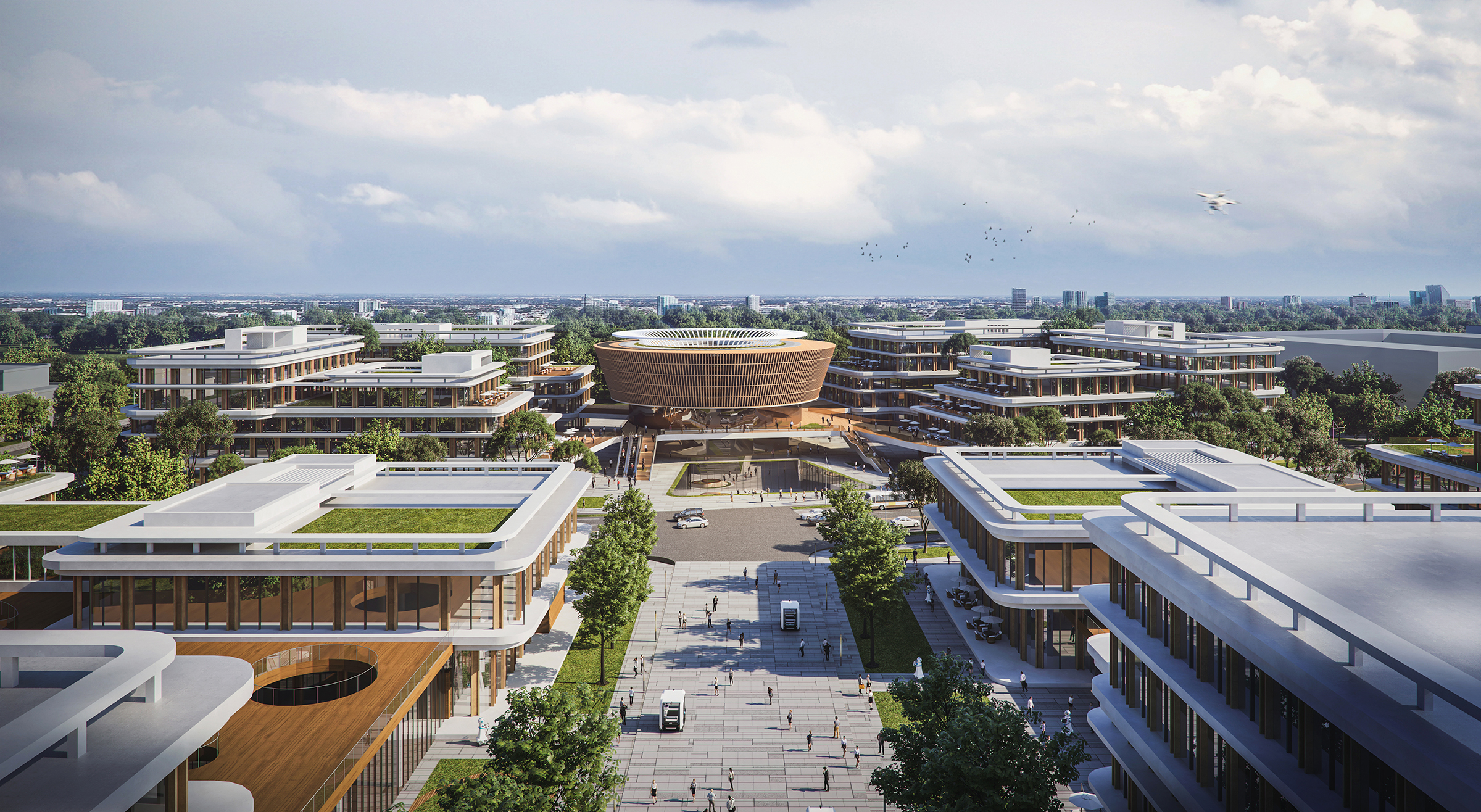
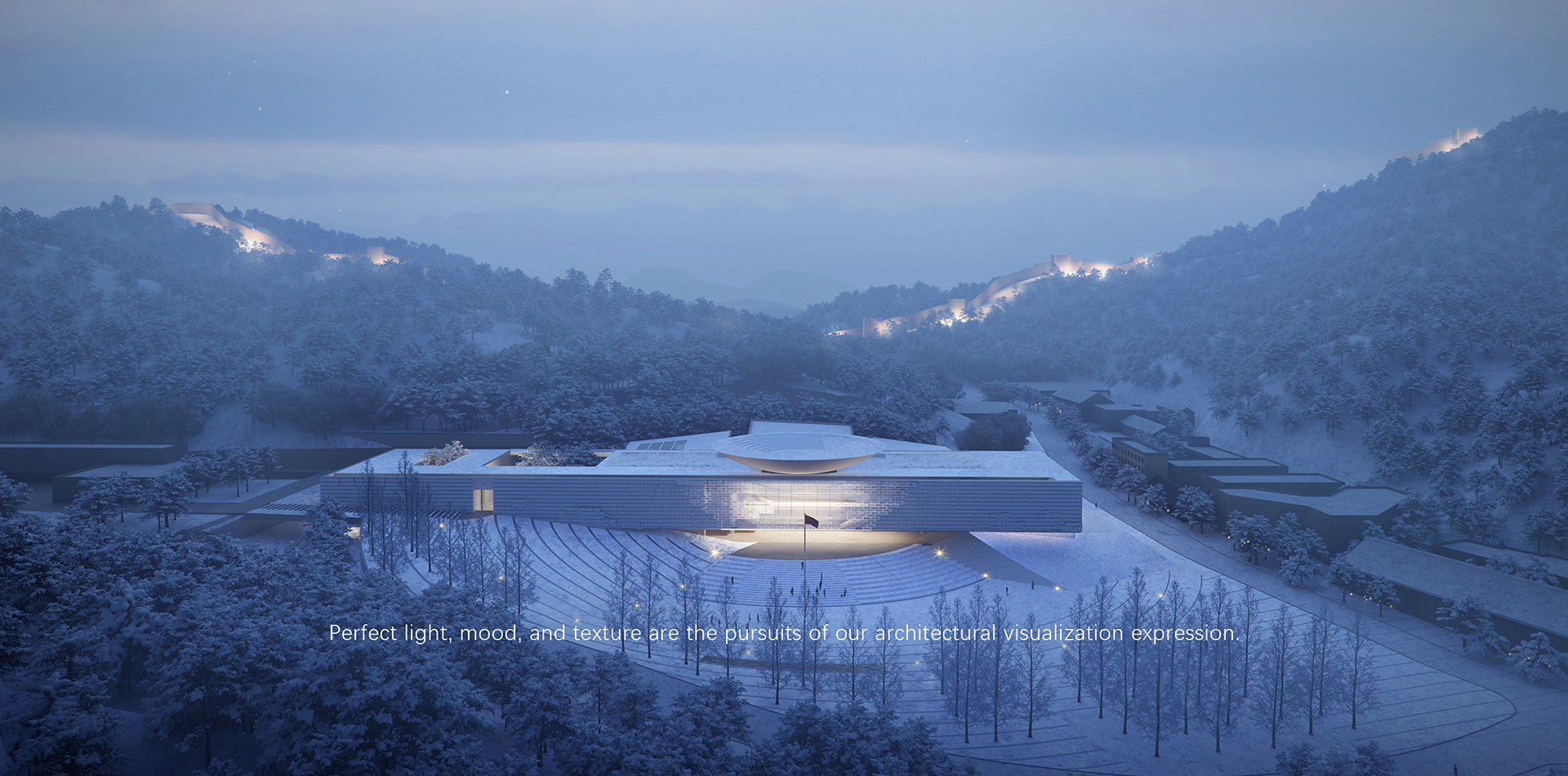
Architecture Model Your Trusted OEM Partner Supplies the World\u2019s Top Brands
Top Selling Products
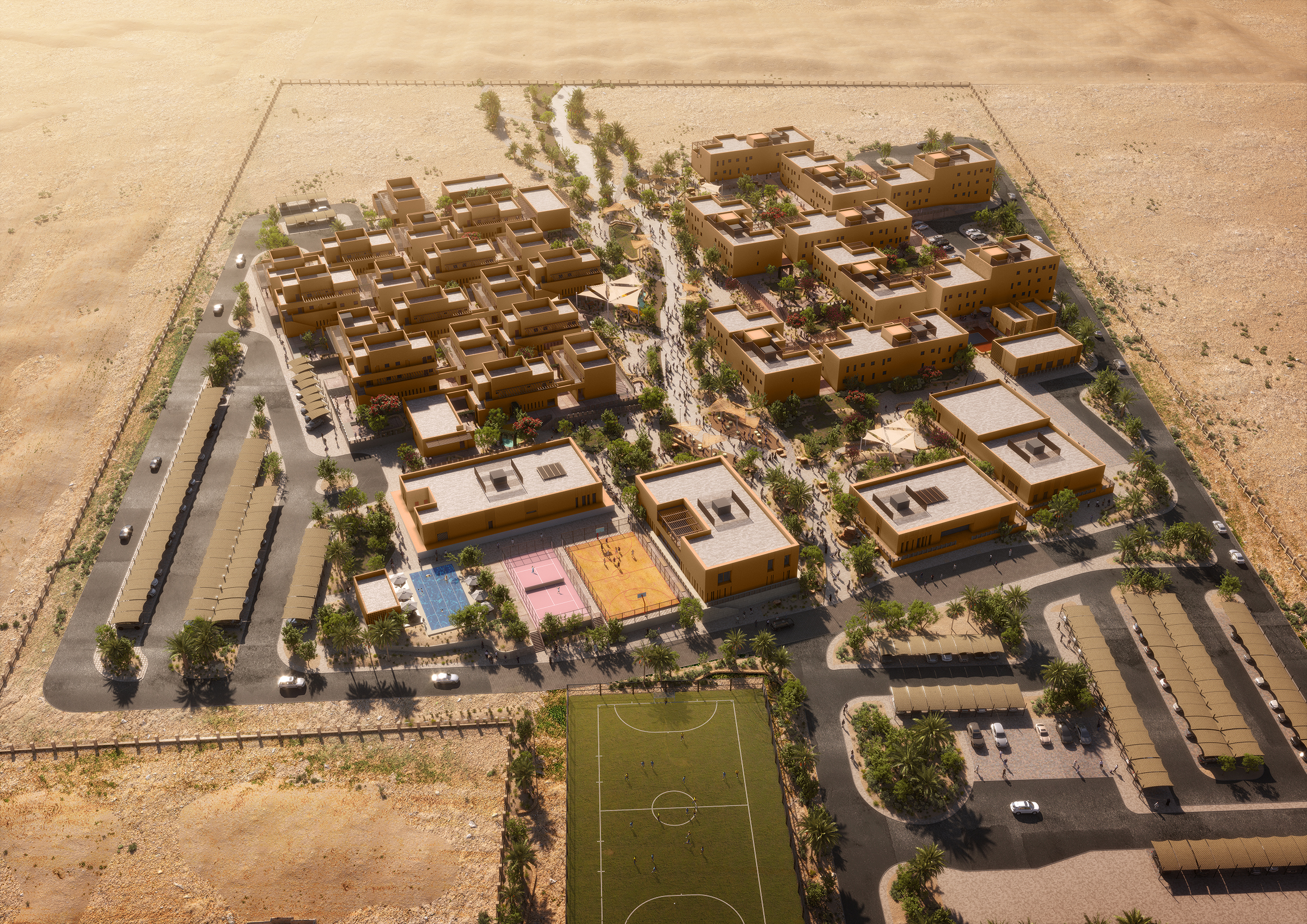
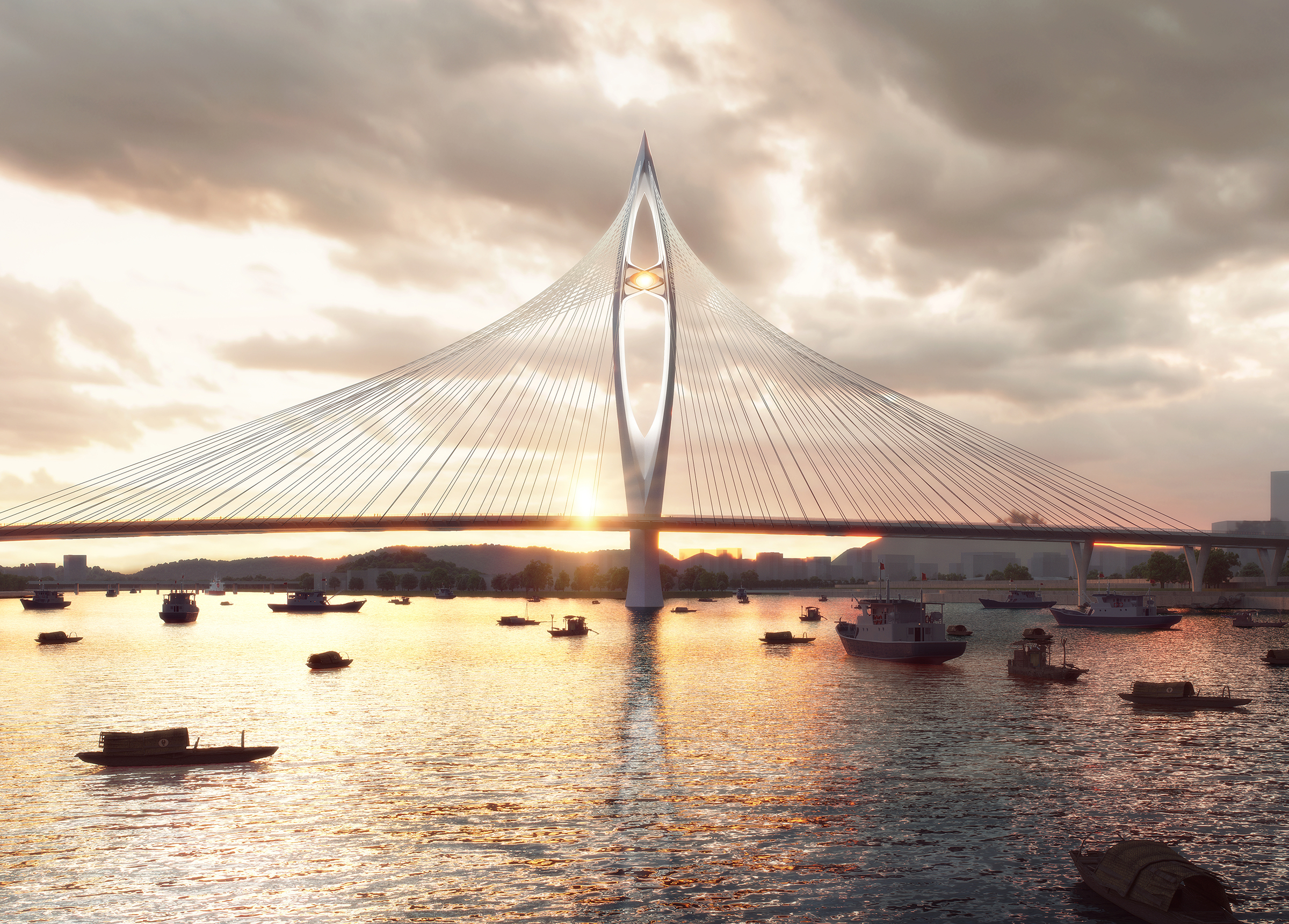
- Related Blog
- Related Videos
- Reviews
- Related Videos
- Reviews
Architecture Model Related Videos From Youtube

Contact
-
No. 18. Agricultural Machinery Institute, No. 261 Wushan Street, Tianhe District, Guangzhou, China.
-
7 Days a week from 8:00 am to 10:00 pm


