

Top Architecture Model Materials from Leading China Manufacturers
When I think about finding the right architecture model materials, I immediately consider the quality and reliability of the manufacturer. That's why choosing a trusted supplier from China can be a game changer for your projects. Our range of premium materials is designed specifically for architects and designers who demand excellence. Whether you are creating intricate scale models or visual presentations, our products offer durability and precision. I understand how important it is to have materials that not only meet but exceed expectations. That's why I can assure you that our selection caters to various styles and requirements. With our fast shipping and competitive pricing, you can focus on your creative vision without worrying about delays. If you're looking to elevate your architectural projects, let's connect and explore how our materials can bring your designs to life. Don't settle for less when it comes to supporting your innovative ideas!
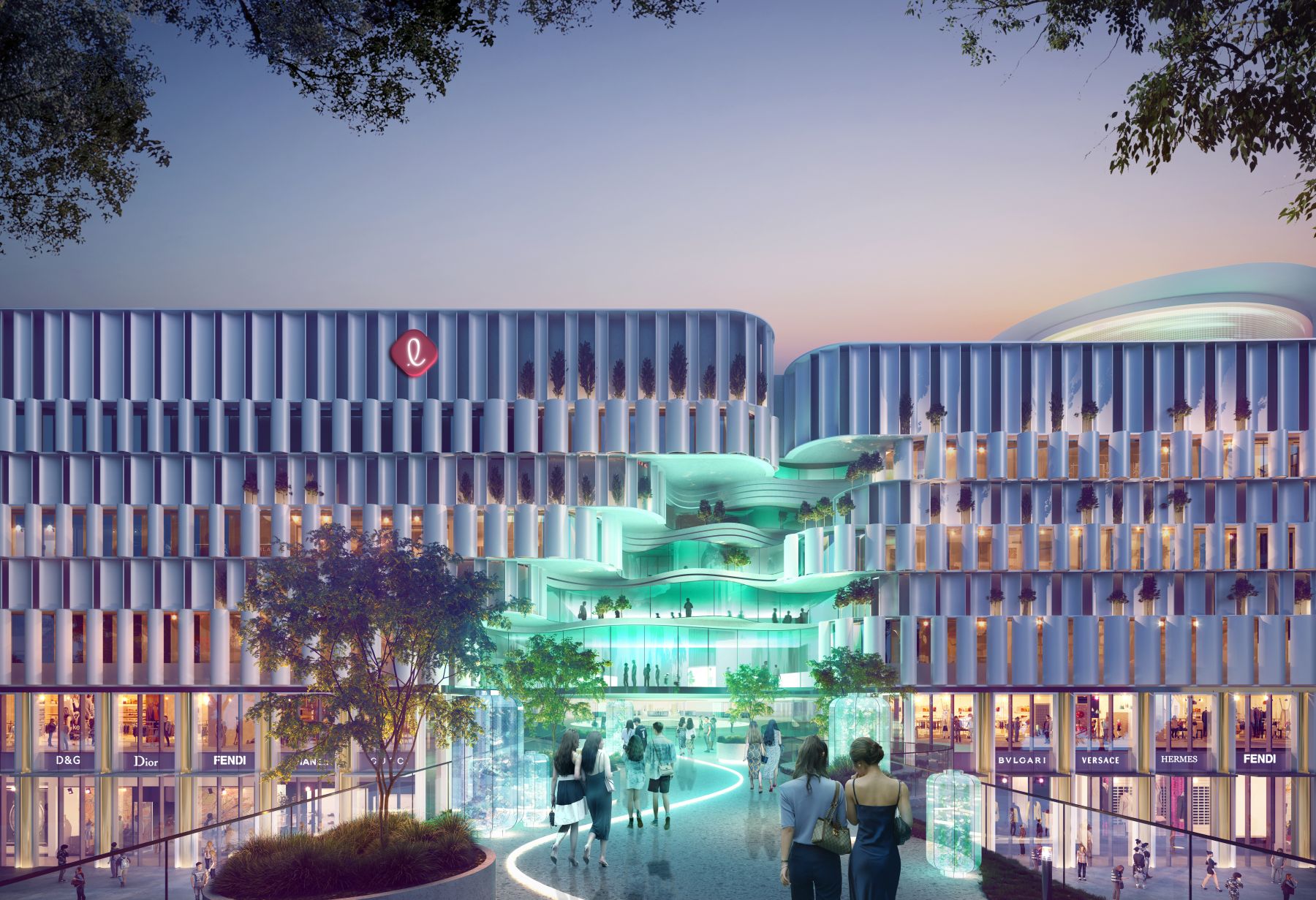
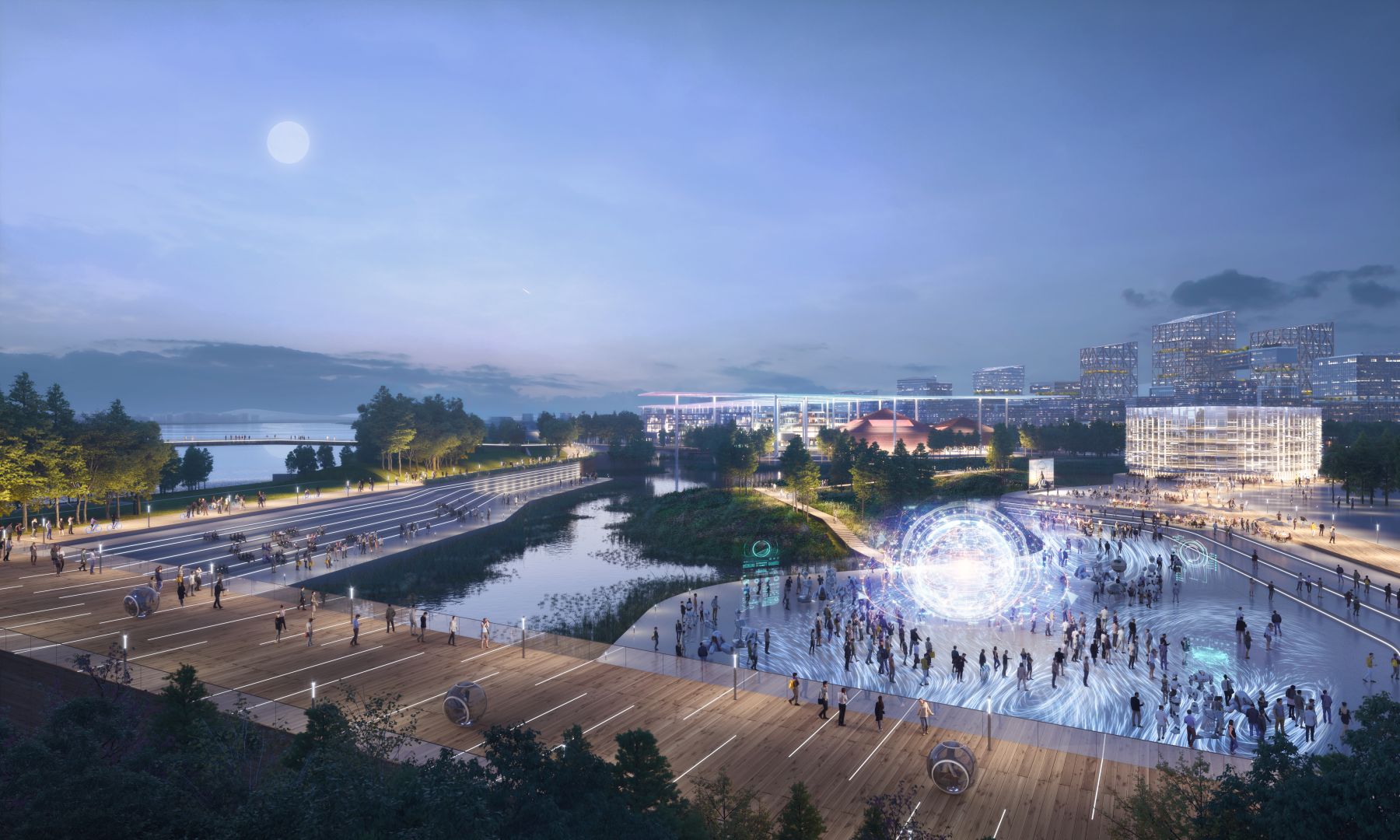
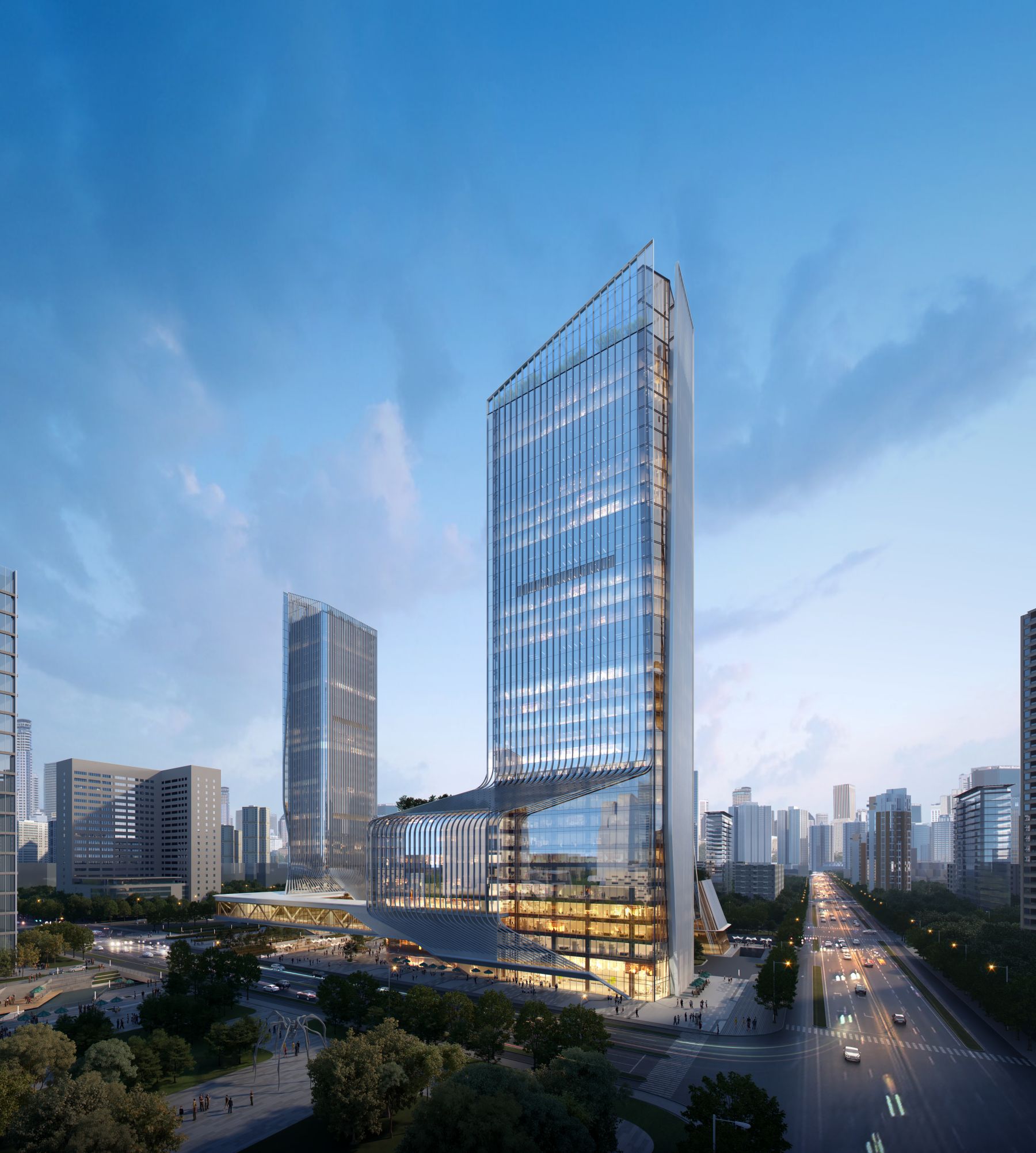

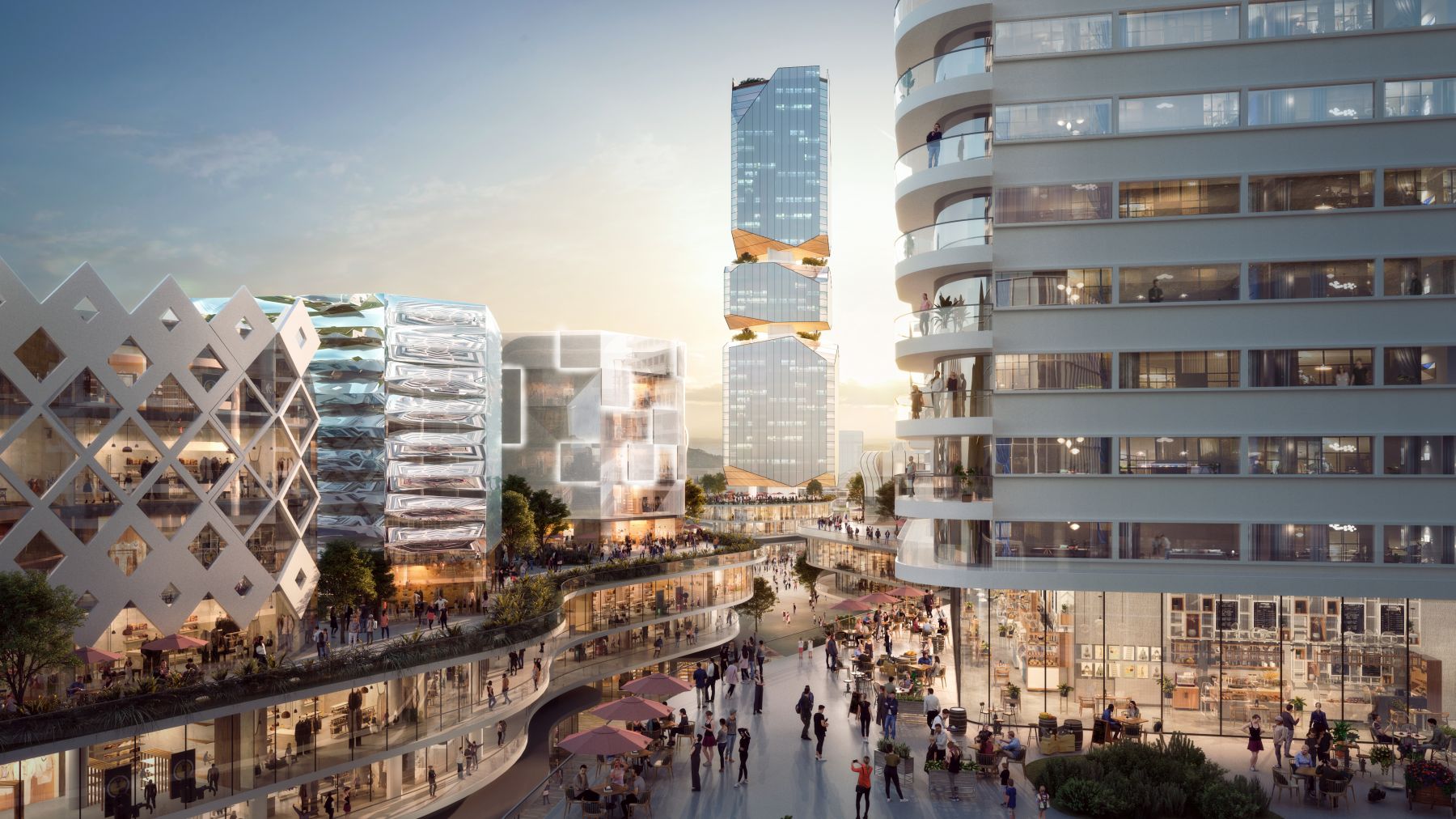
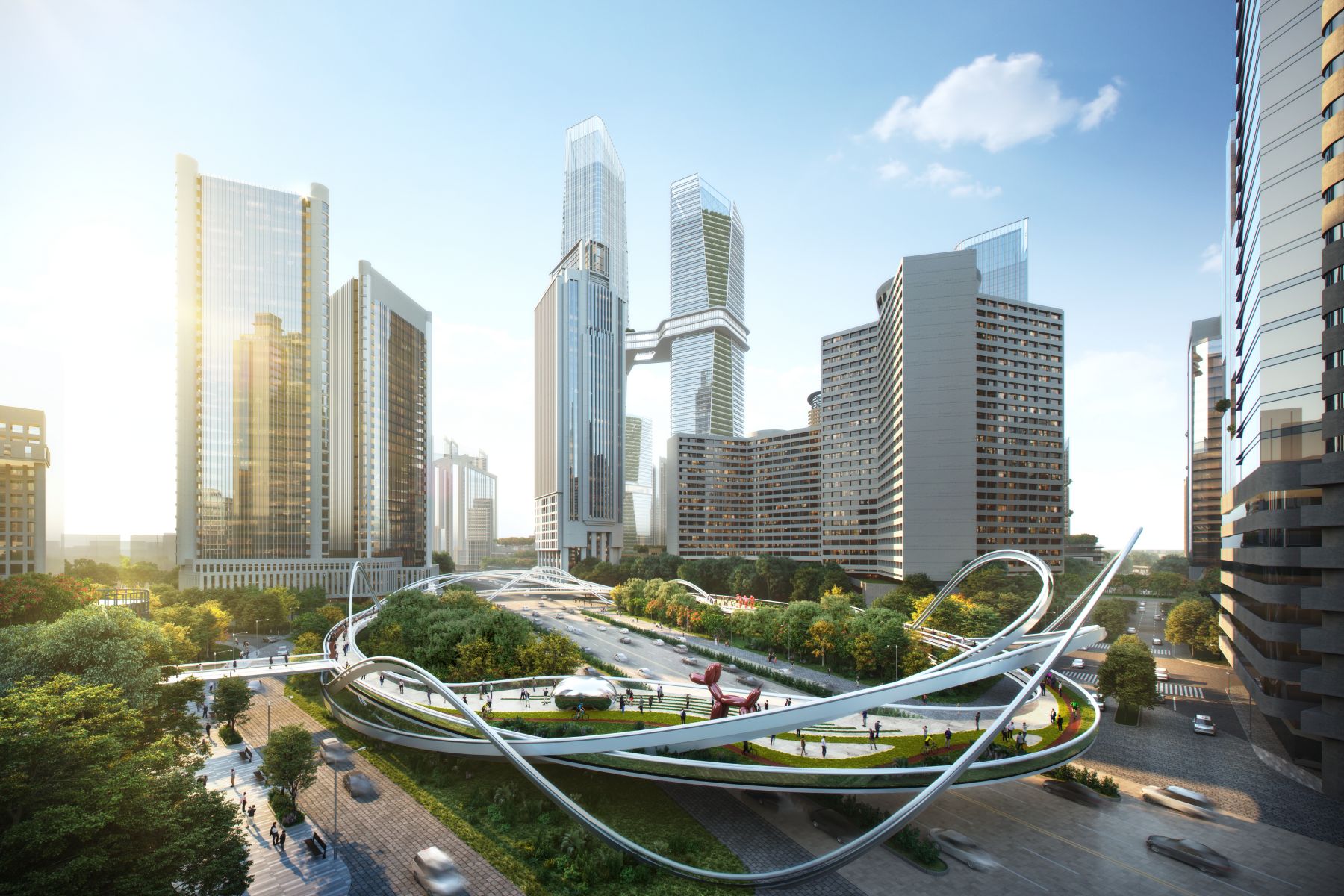
Architecture Model Materials Now Trending Your End-to-End Solution
In today's fast-paced architectural landscape, the choice of model materials has never been more crucial. Designers and architects worldwide are constantly seeking innovative solutions that not only enhance the visual appeal of their projects but also streamline the workflow from conception to completion. The latest trends in architectural model materials reflect a shift towards sustainability, versatility, and efficiency, ensuring that your creations stand out in an increasingly competitive market. One notable trend is the use of environmentally friendly materials, such as recycled plastics and bio-based composites. These materials not only reduce the carbon footprint of architectural projects but also meet the rising demand for sustainable practices within the industry. Additionally, advancements in 3D printing technology allow for intricate designs and rapid prototyping, enabling architects to visualize their ideas more effectively and adjust designs in real-time, thus facilitating better client collaboration. Combining these innovative materials with cutting-edge software solutions empowers architects and designers to create stunning, precise models that communicate their vision effectively. As the industry continues to evolve, embracing these trends in architectural model materials will provide global buyers with the end-to-end solutions they need to succeed. Adopting these approaches helps you stay ahead of the curve, ensuring that your projects not only meet but exceed client expectations.
Architecture Model Materials Now Trending Your End-to-End Solution
| Material Type | Properties | Common Uses | Environmental Impact |
|---|---|---|---|
| Bamboo | Strong, flexible, and lightweight | Furniture, flooring, and structural elements | Sustainable, fast-growing resource |
| Recycled Aluminum | Lightweight, durable, corrosion-resistant | Window frames, roofing, and cladding | Reduces landfill waste and energy use |
| Hempcrete | Lightweight, insulating, and non-toxic | Wall infill, insulation | Carbon negative, biodegradable |
| 3D Printed Concrete | Customizable, strong, and durable | Building structures and art installations | Potential for reducing waste |
| Cross-Laminated Timber (CLT) | Strong, lightweight, thermal insulating | Multi-story buildings, structural paneling | Sustainable and renewable resource |
Related Products

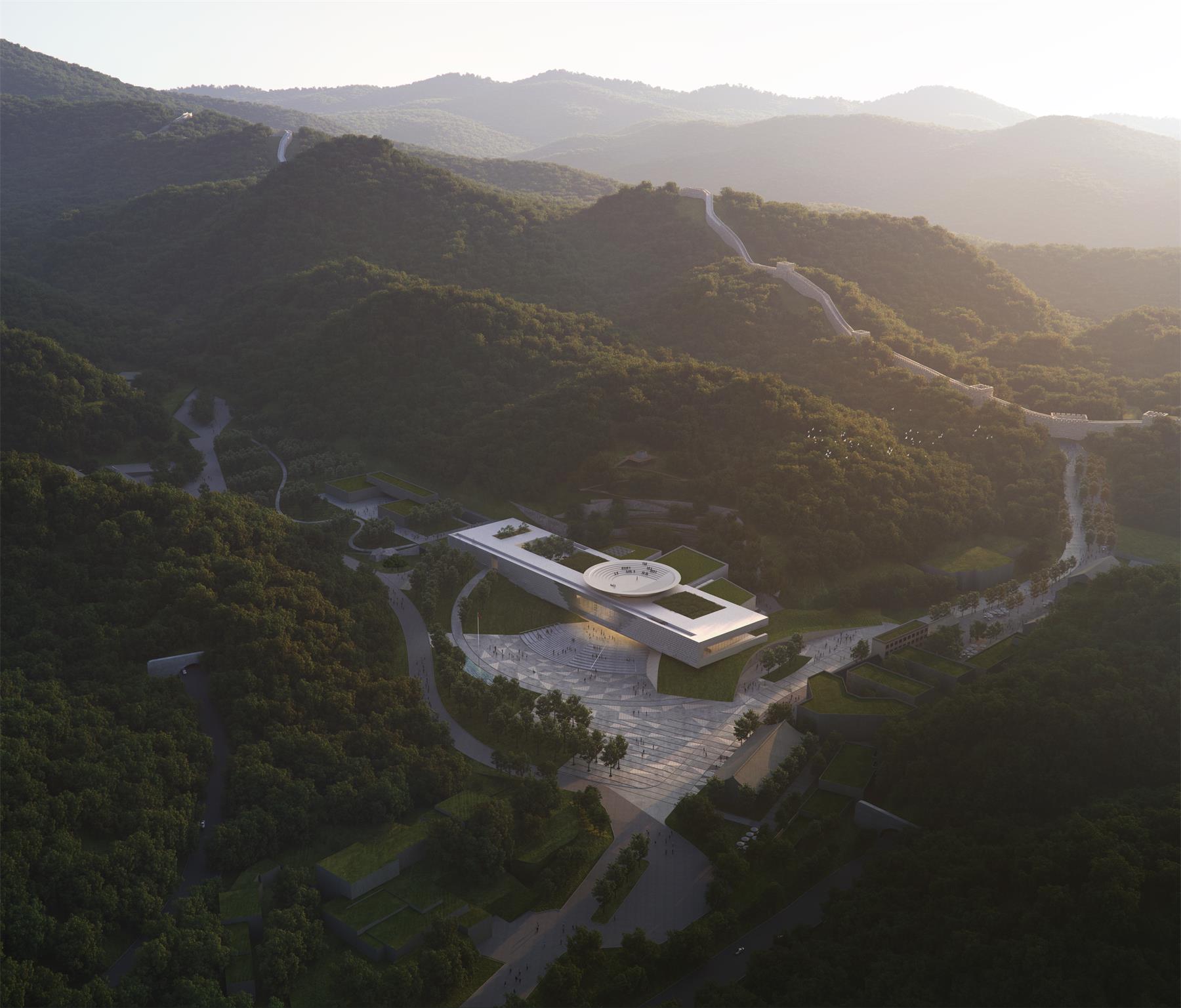
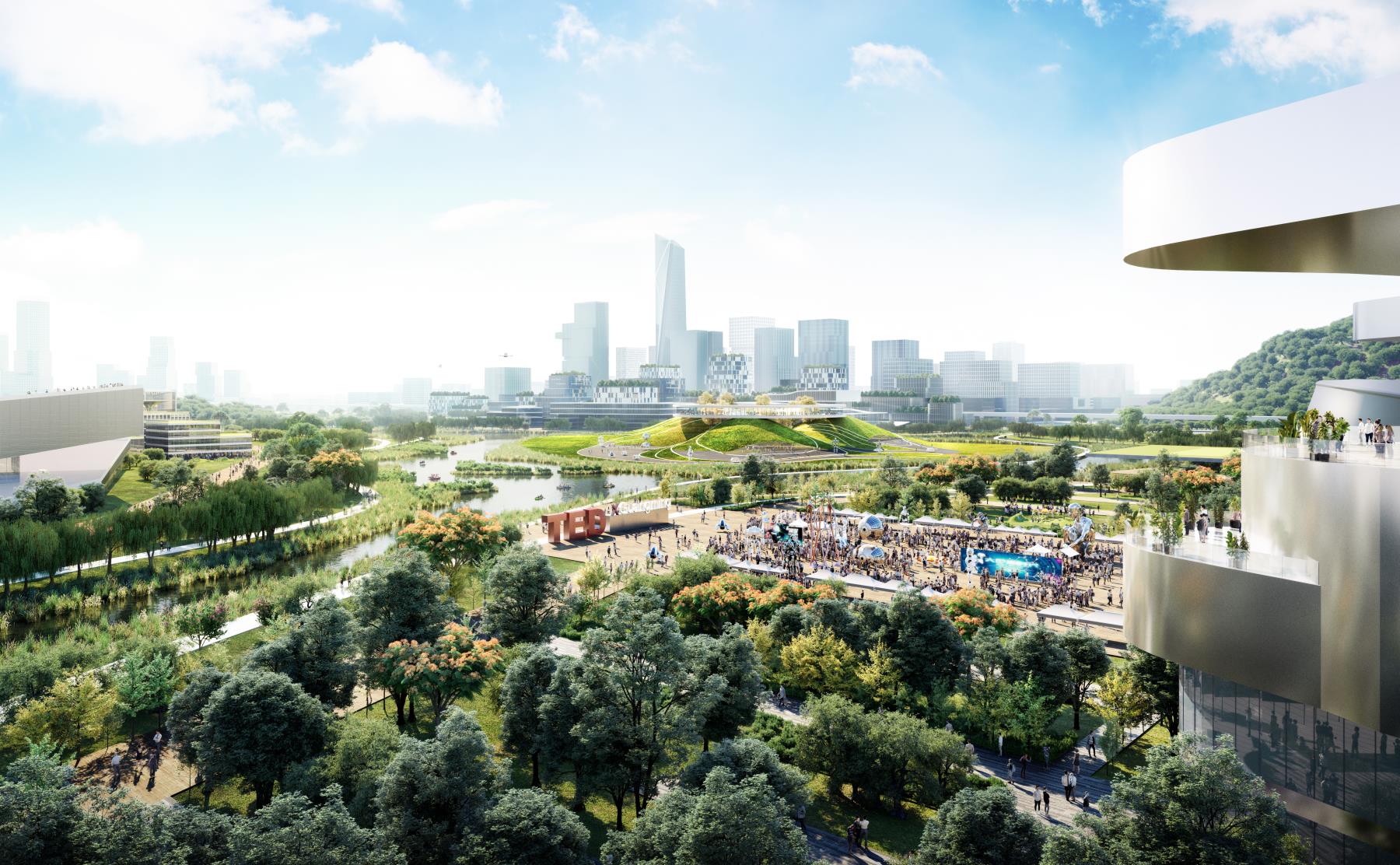
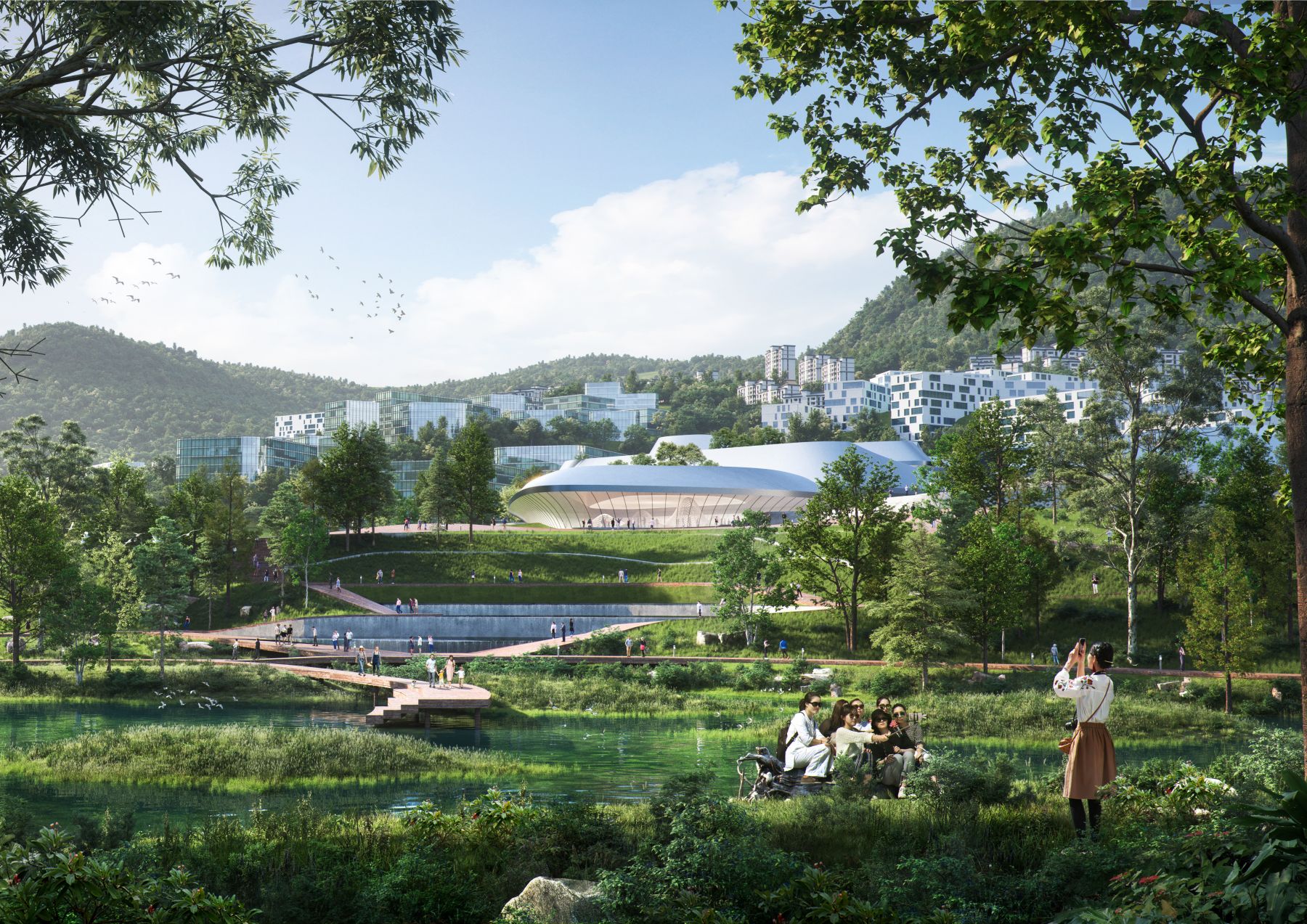
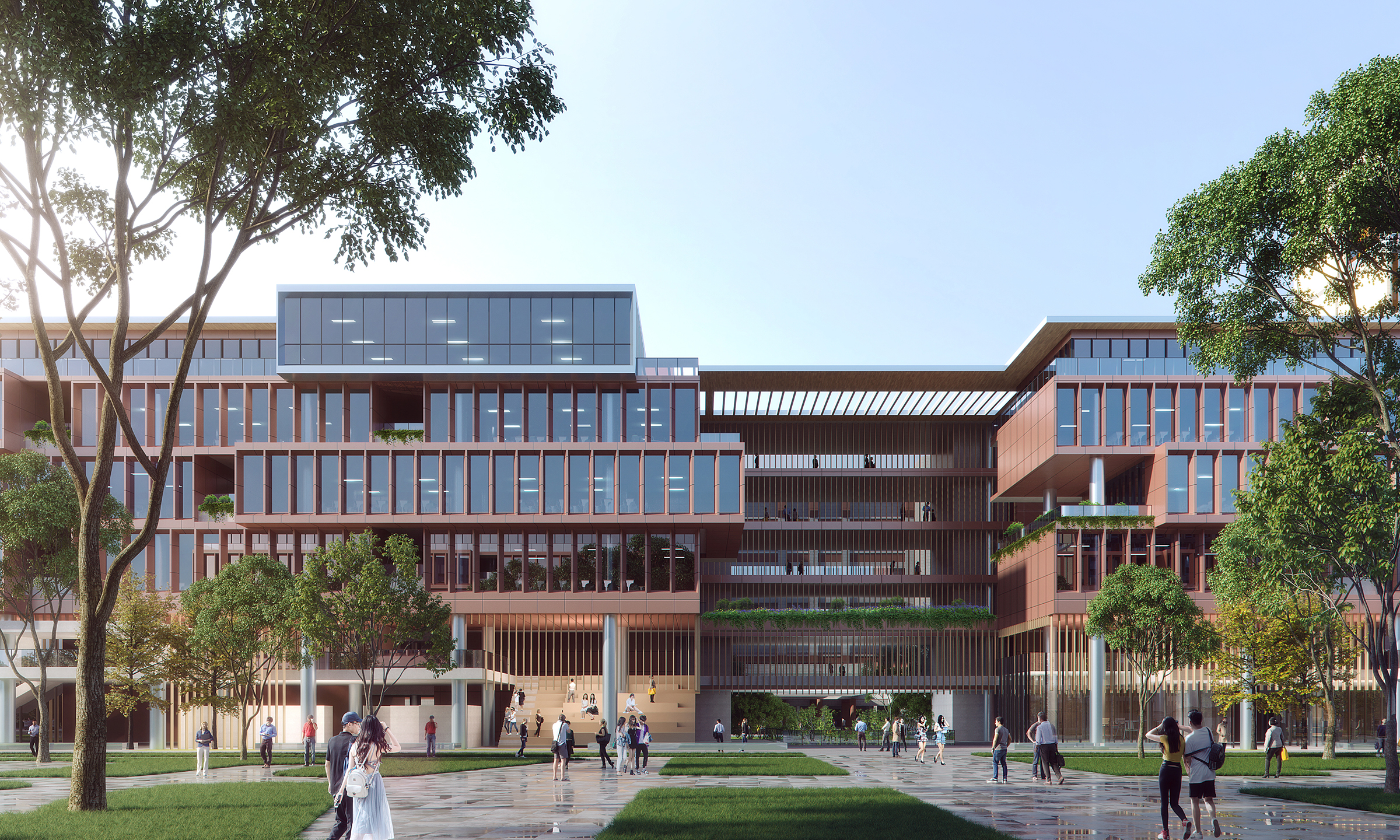
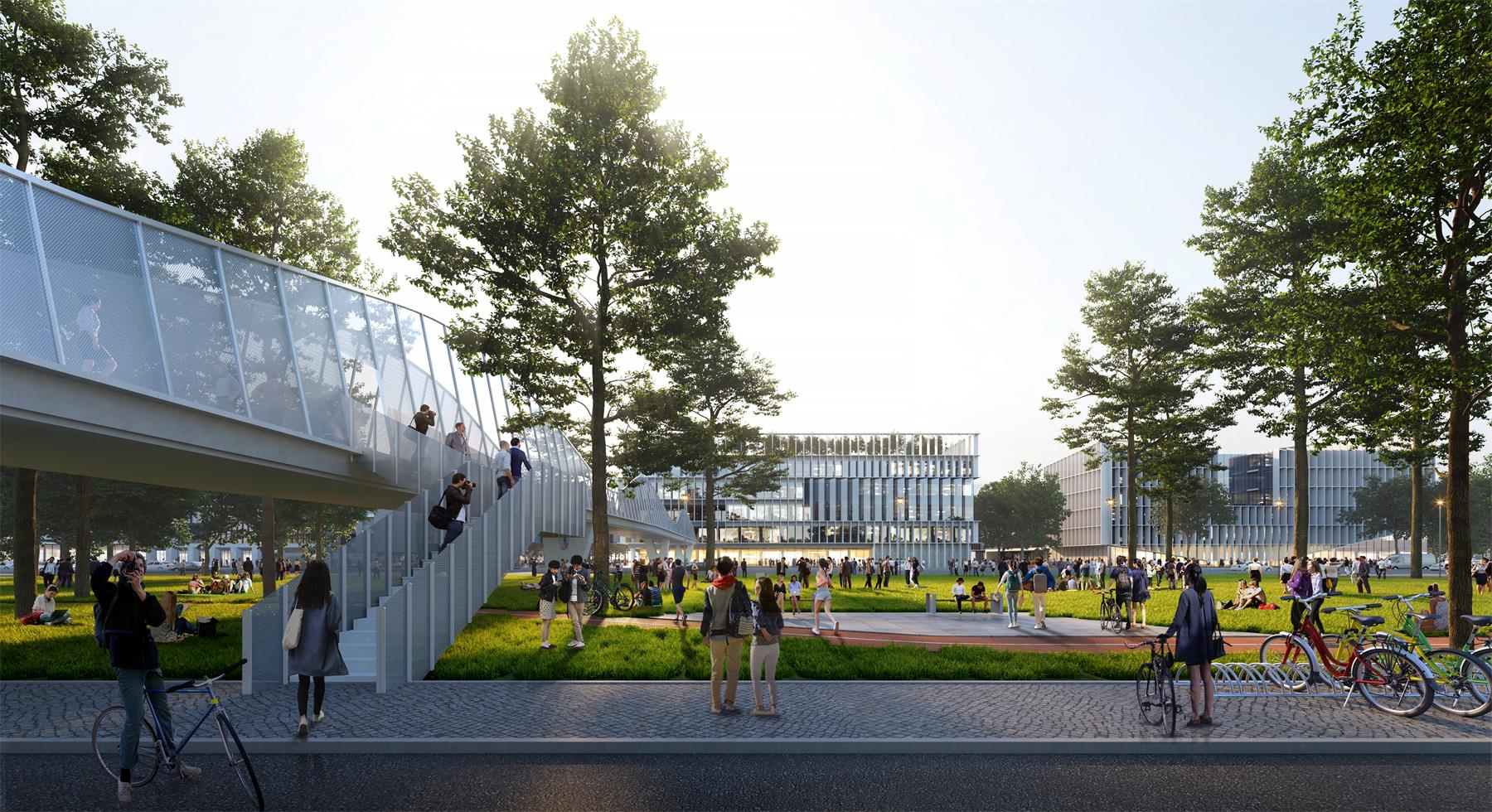
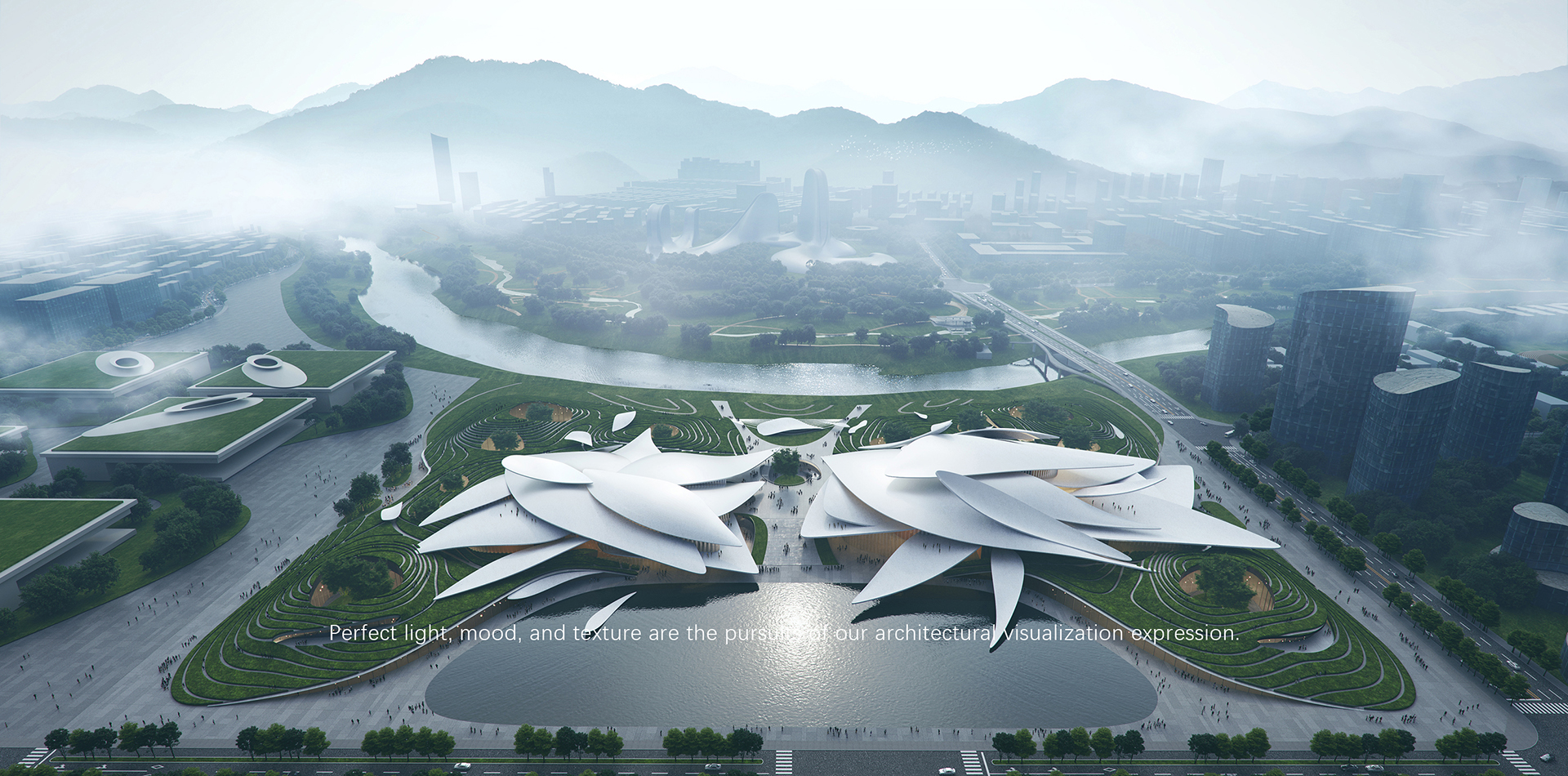
Architecture Model Materials For the Current Year Service Backed by Expertise
Top Selling Products
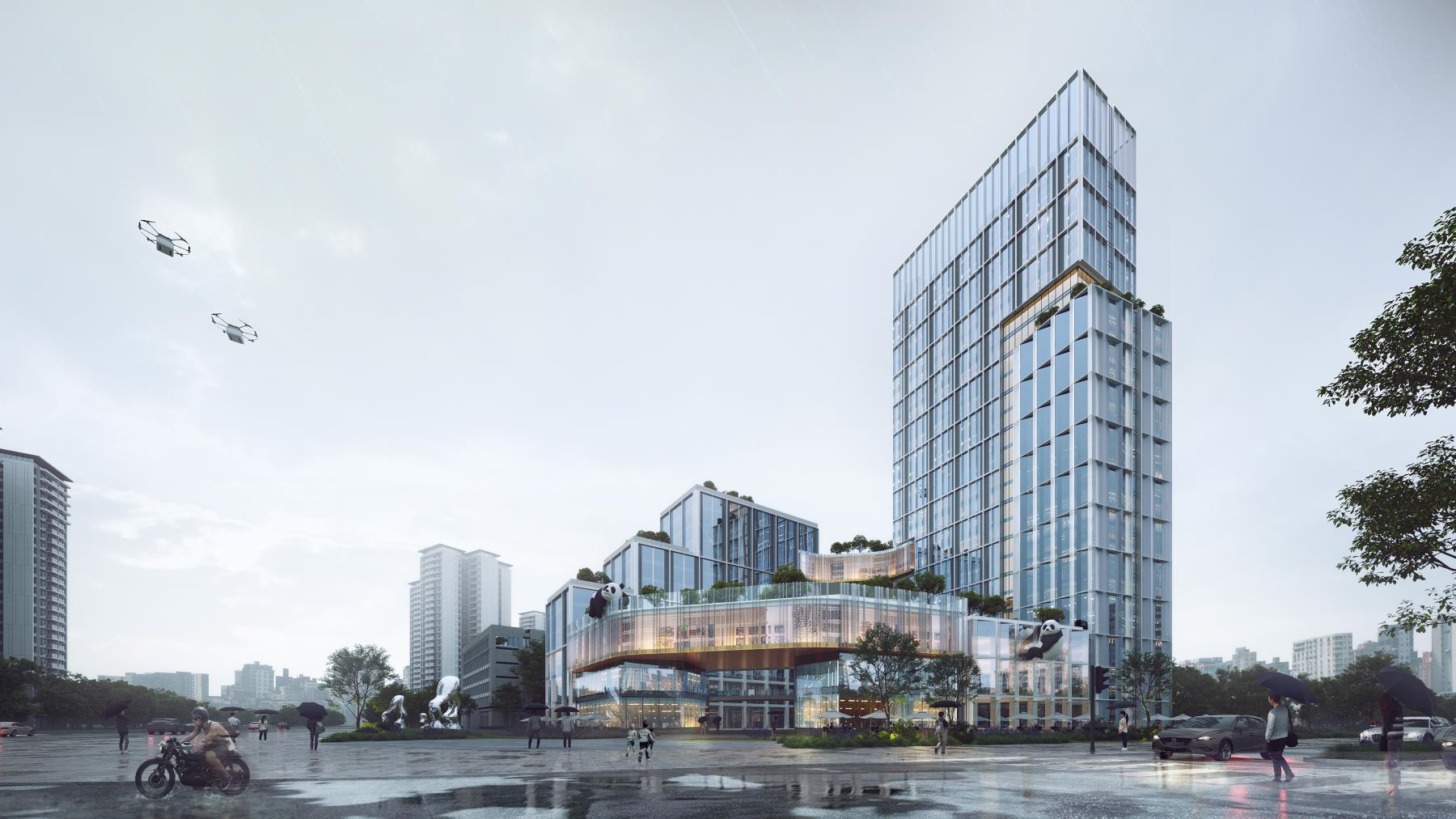
- Related Blog
- Related Videos
- Reviews
- Related Videos
- Reviews
Architecture Model Materials Related Videos From Youtube

Contact
-
No. 18. Agricultural Machinery Institute, No. 261 Wushan Street, Tianhe District, Guangzhou, China.
-
7 Days a week from 8:00 am to 10:00 pm


