
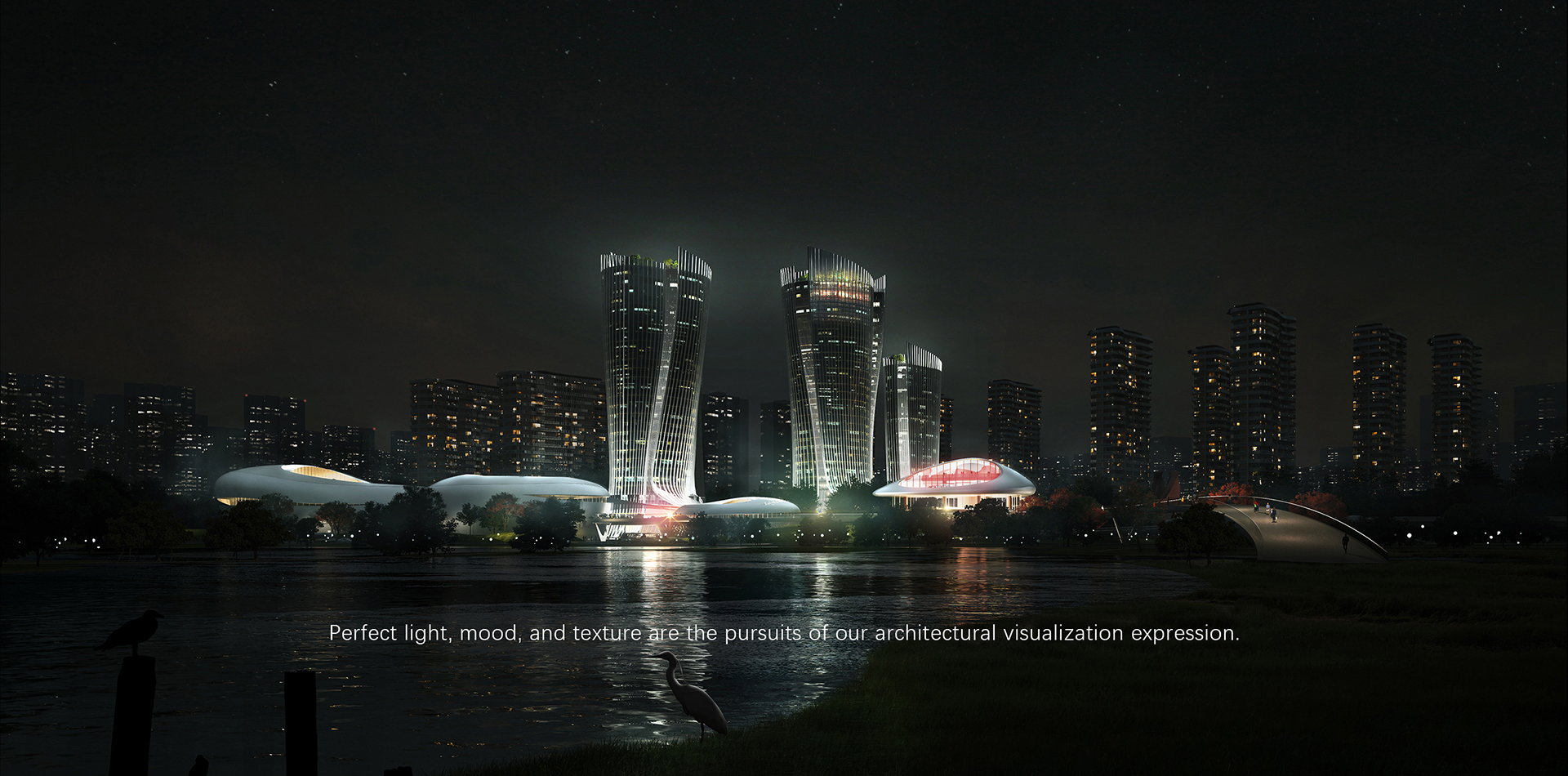
Visual Hierarchy in Architecture: Top Manufacturers in China
As a professional in architecture, I understand the crucial role of visual hierarchy in shaping spaces that not only attract attention but also guide the user experience. In China, where design innovation meets traditional aesthetics, our products stand out. We specialize in high-quality architectural elements that enhance visual hierarchy, ensuring your projects resonate with clarity and purpose. Whether you're a manufacturer seeking to elevate your offerings or a buyer aiming to create impactful spaces, we provide tailored solutions that align with your vision. Our extensive range combines functionality and aesthetic appeal, perfect for any architectural endeavor. With a commitment to excellence, we ensure that our products not only meet industry standards but also inspire creativity. Let’s collaborate to bring awe-inspiring designs to life, making your projects unforgettable and architecturally significant.
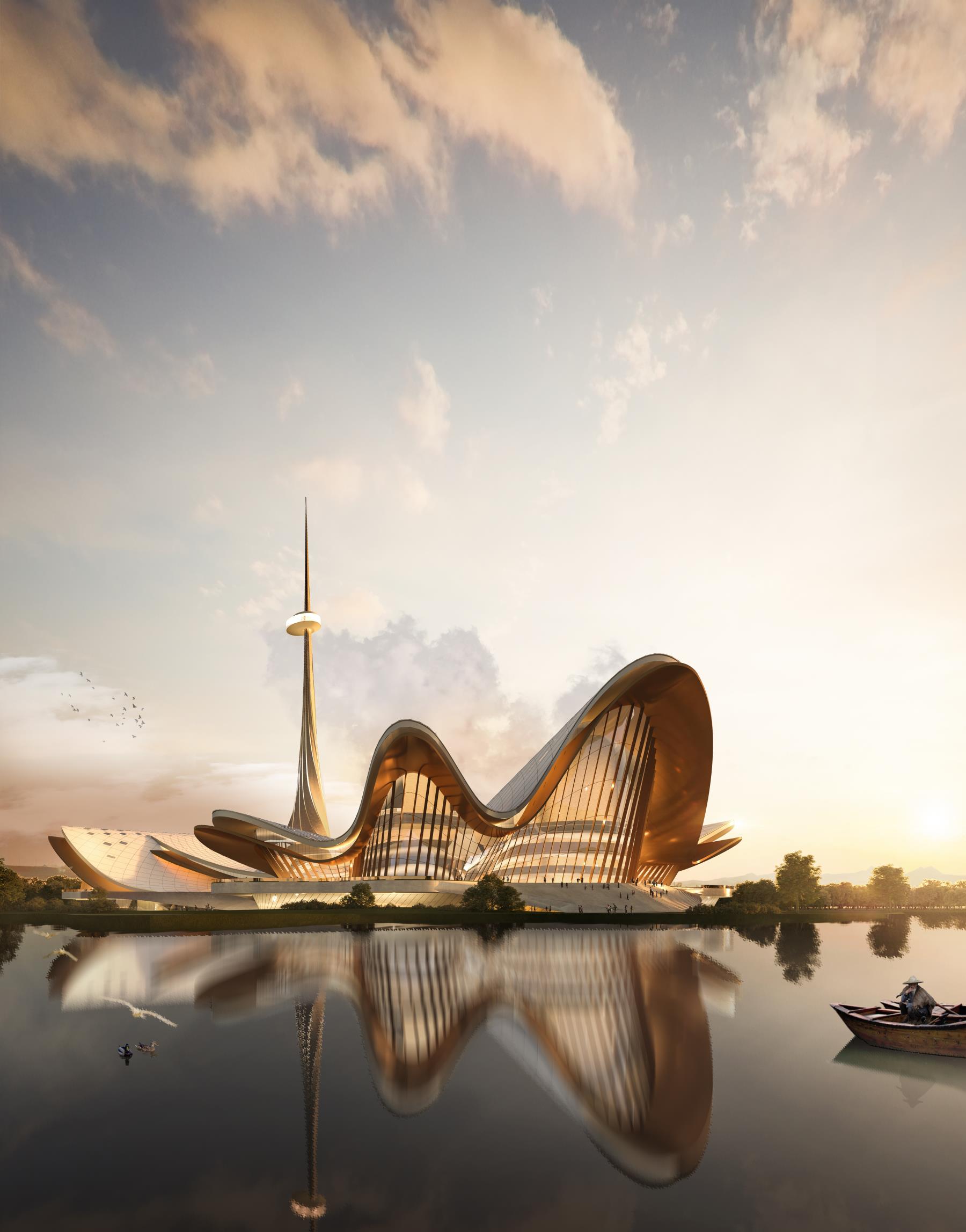
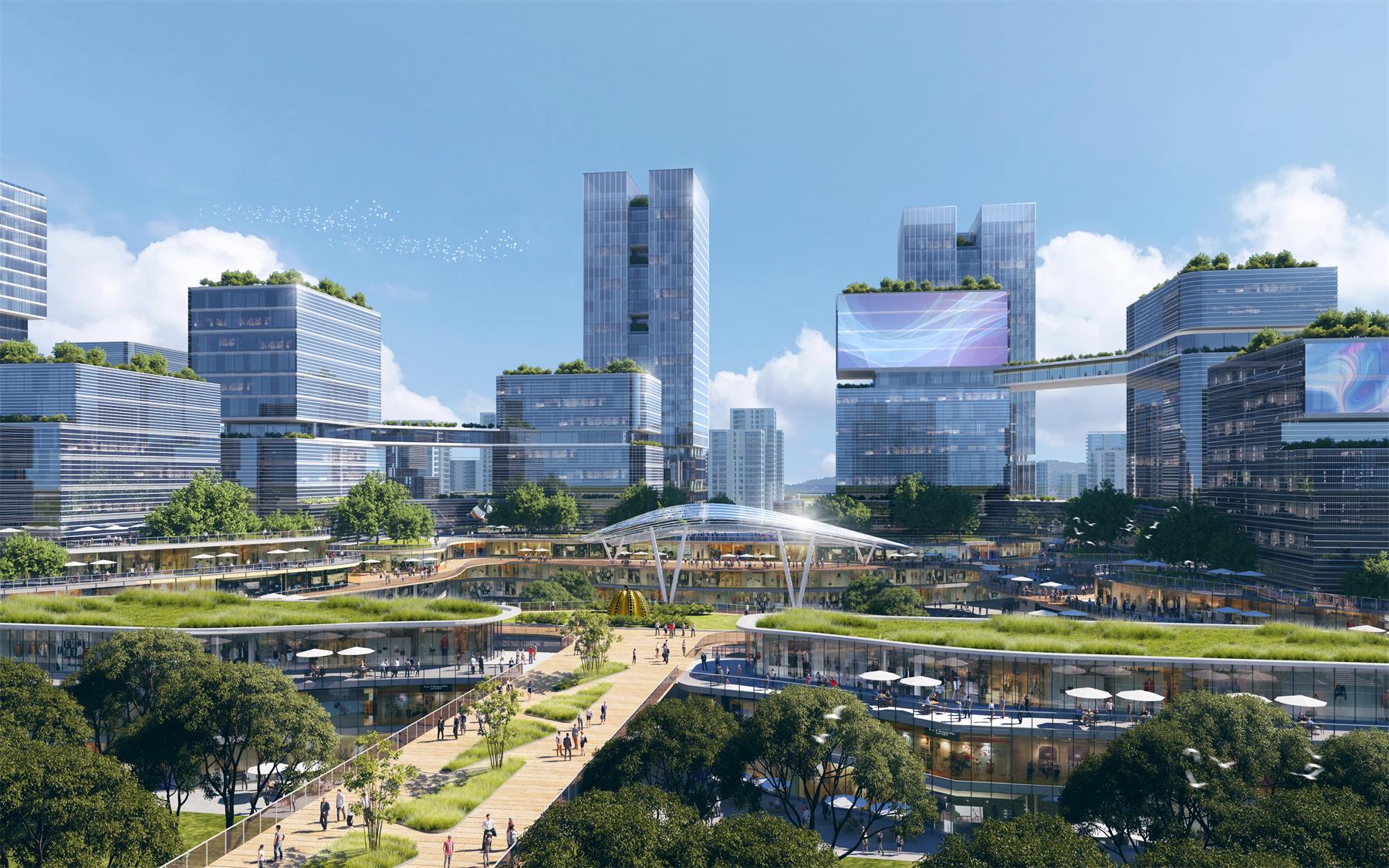

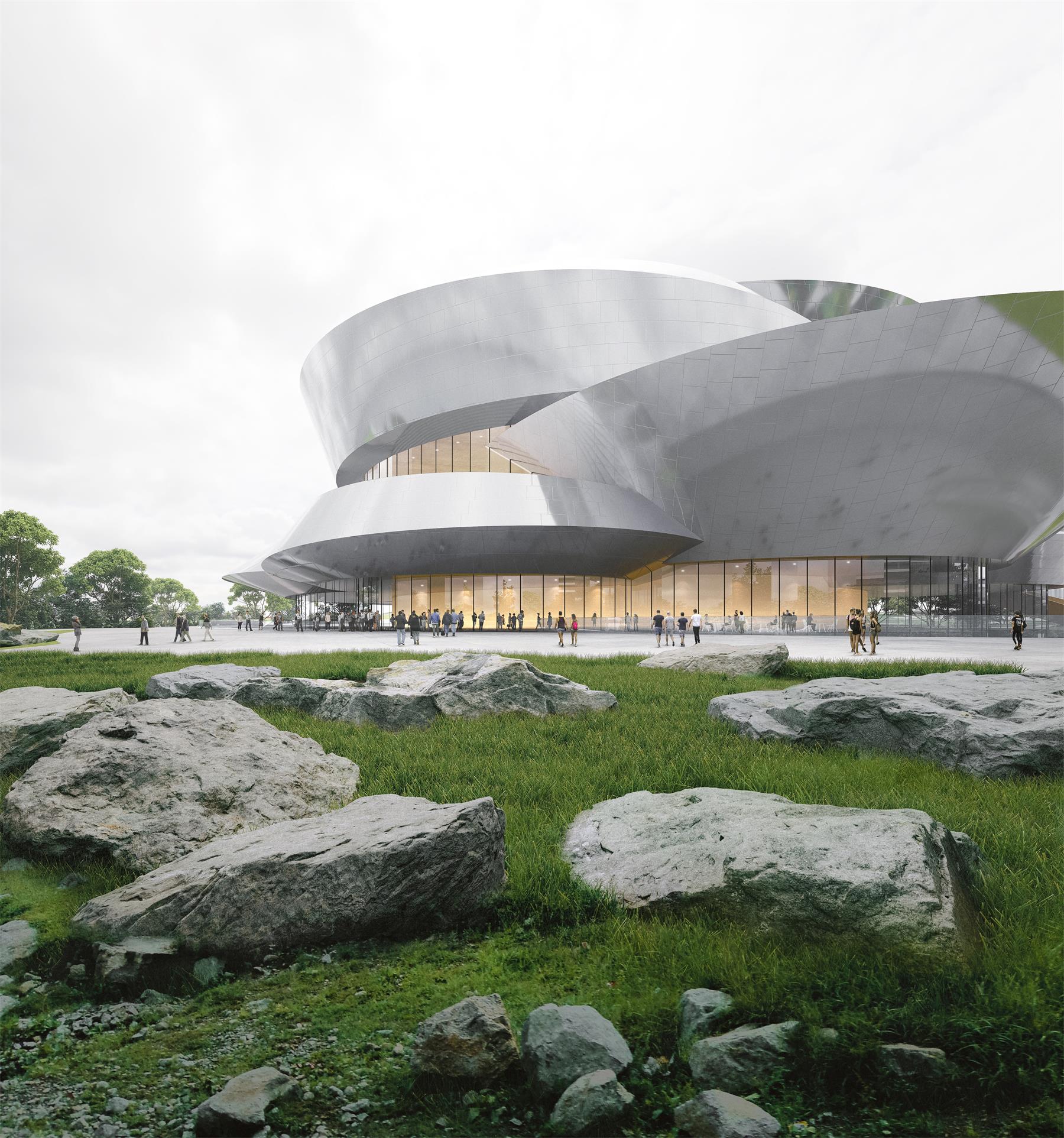
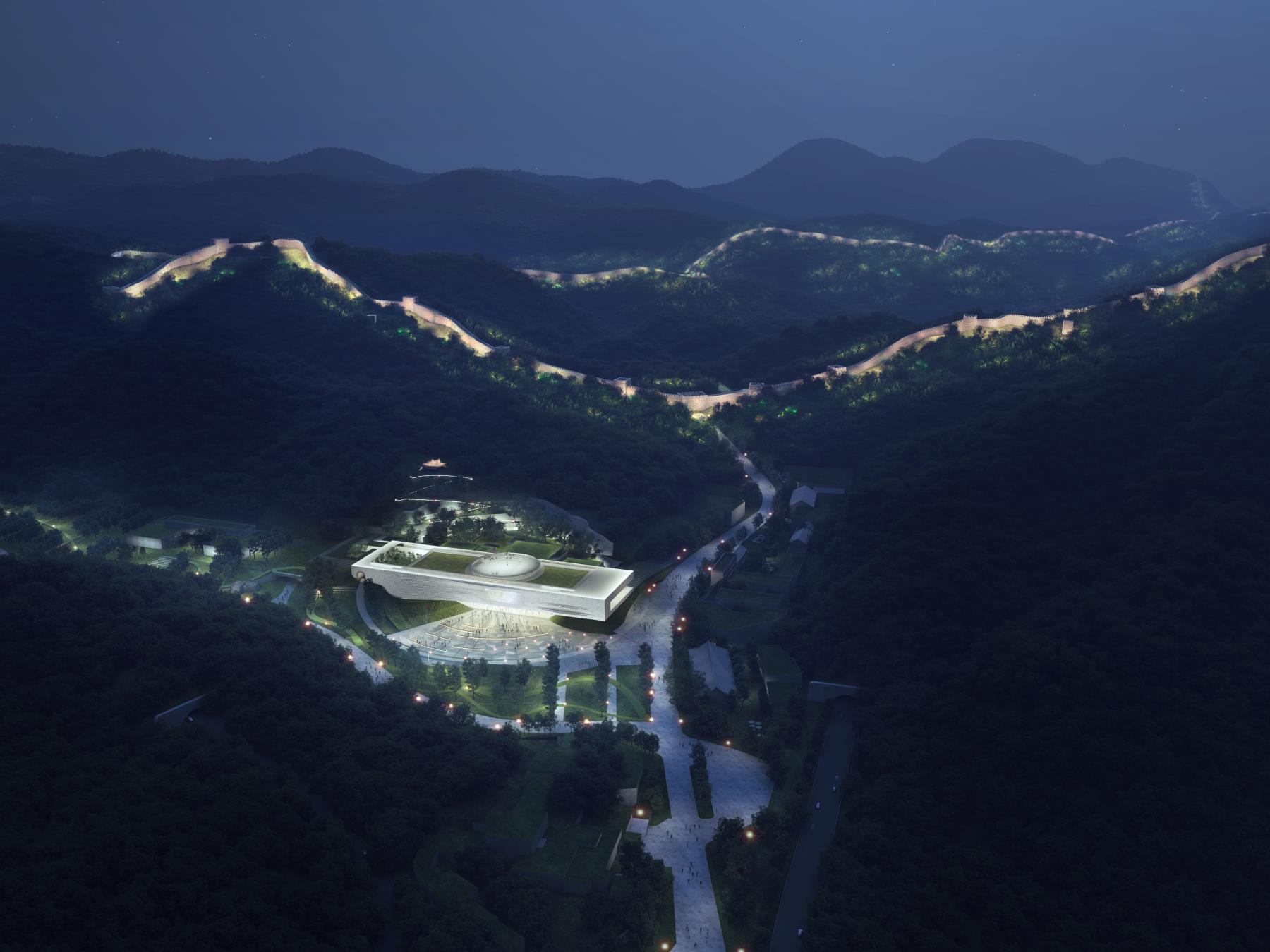

Visual Hierarchy In Architecture Application in 2025
As we move into 2025, the integration of visual hierarchy in architectural applications becomes increasingly critical. The architectural landscape is evolving, driven by innovative design techniques that focus on how visual elements interact within a space. A robust visual hierarchy can guide the viewer’s attention, ensuring that key details are highlighted and that the overall design communicates effectively with its audience. This concept can enhance user experience in both physical structures and digital interfaces, making clarity and functionality paramount in a world where consumer engagement is key. In the competitive global market, architects and designers must leverage advanced technologies to create environments that not only meet client needs but also resonate with end users. By employing principles of visual hierarchy, professionals can craft layouts that prioritize elements such as scale, contrast, and alignment. This strategic arrangement of features helps clients understand the spatial flow and enhances the aesthetic appeal, which is essential for attracting potential investors and buyers. As sustainable design practices gain traction, the emphasis on effective visual communication will play a vital role in promoting ecological awareness through architectural projects. Furthermore, as virtual and augmented reality technologies become more prominent, the need for well-structured visual hierarchy will only grow. These technologies allow for immersive experiences but require careful consideration of how information is presented. By focusing on visual hierarchy, architects can create intuitive interfaces that guide users through interactive environments, making complex data comprehensible. In conclusion, as we step into 2025, embracing visual hierarchy in architecture is not just a design choice; it is an essential strategy for engaging a global audience and achieving success in a fast-evolving market.
Visual Hierarchy In Architecture Application in 2025
| Element | Description | Importance Level | Example Usage |
|---|---|---|---|
| Color | Utilization of contrasting colors to guide focus. | High | Accent walls in modern homes. |
| Shape | Different geometrical shapes create a hierarchy of importance. | Medium | Using arches in entryways. |
| Size | Larger elements naturally attract more attention. | High | Grand staircases in public buildings. |
| Texture | Use of different textures can highlight or downplay areas. | Medium | Natural stone versus smooth glass. |
| Lighting | Strategic lighting design to enhance focus on specific areas. | High | Highlighting artwork in galleries. |
Related Products

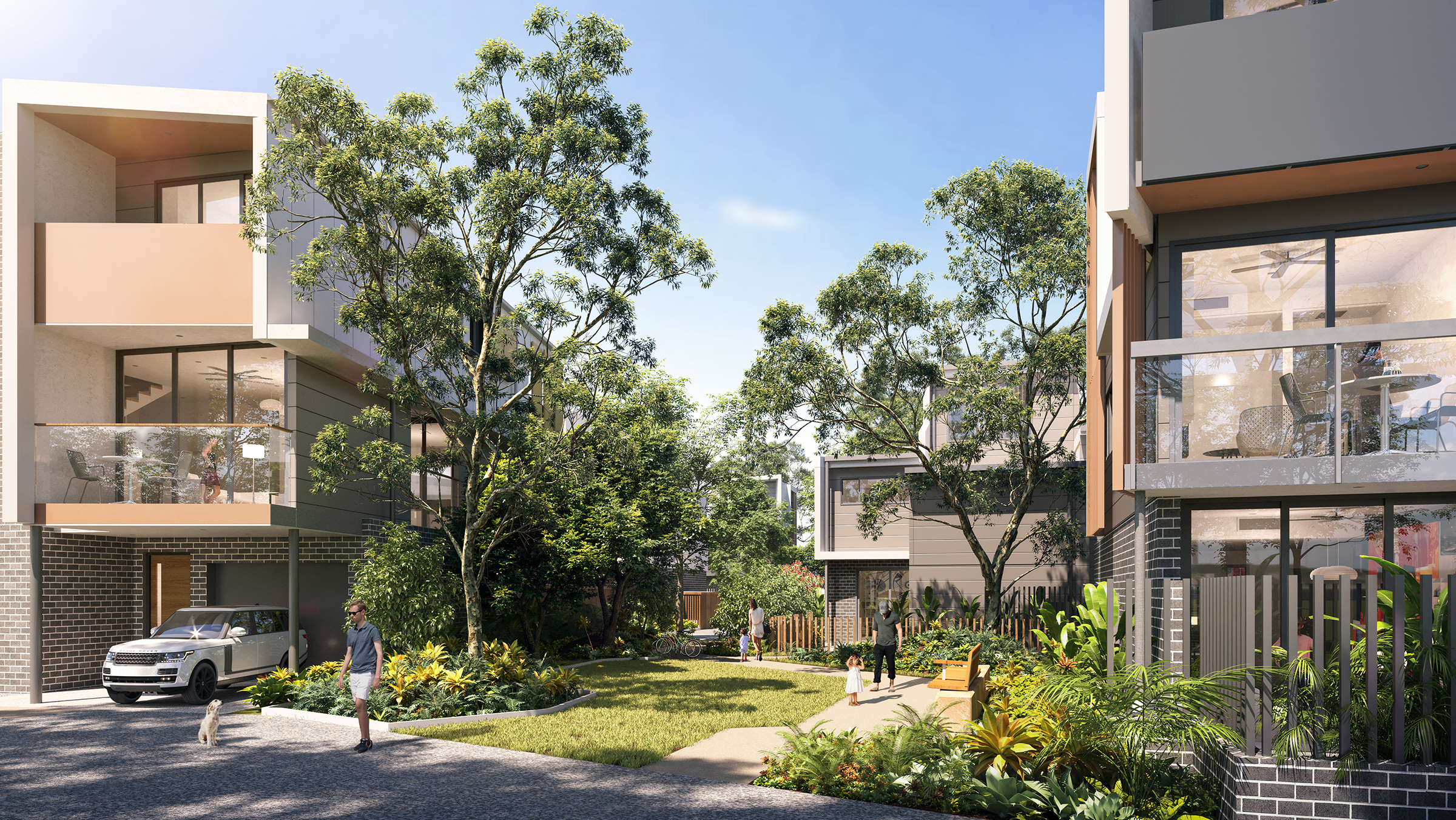

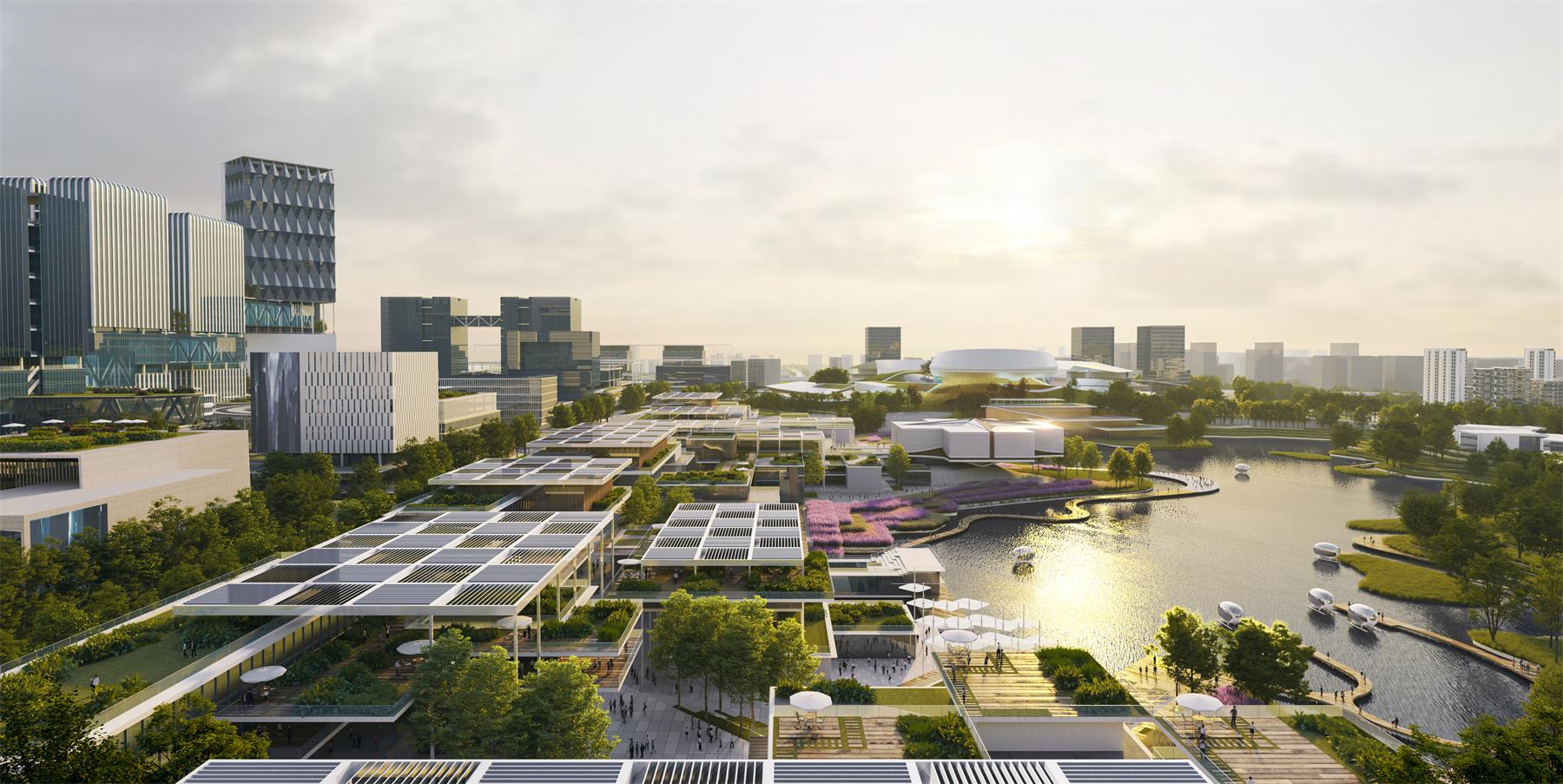
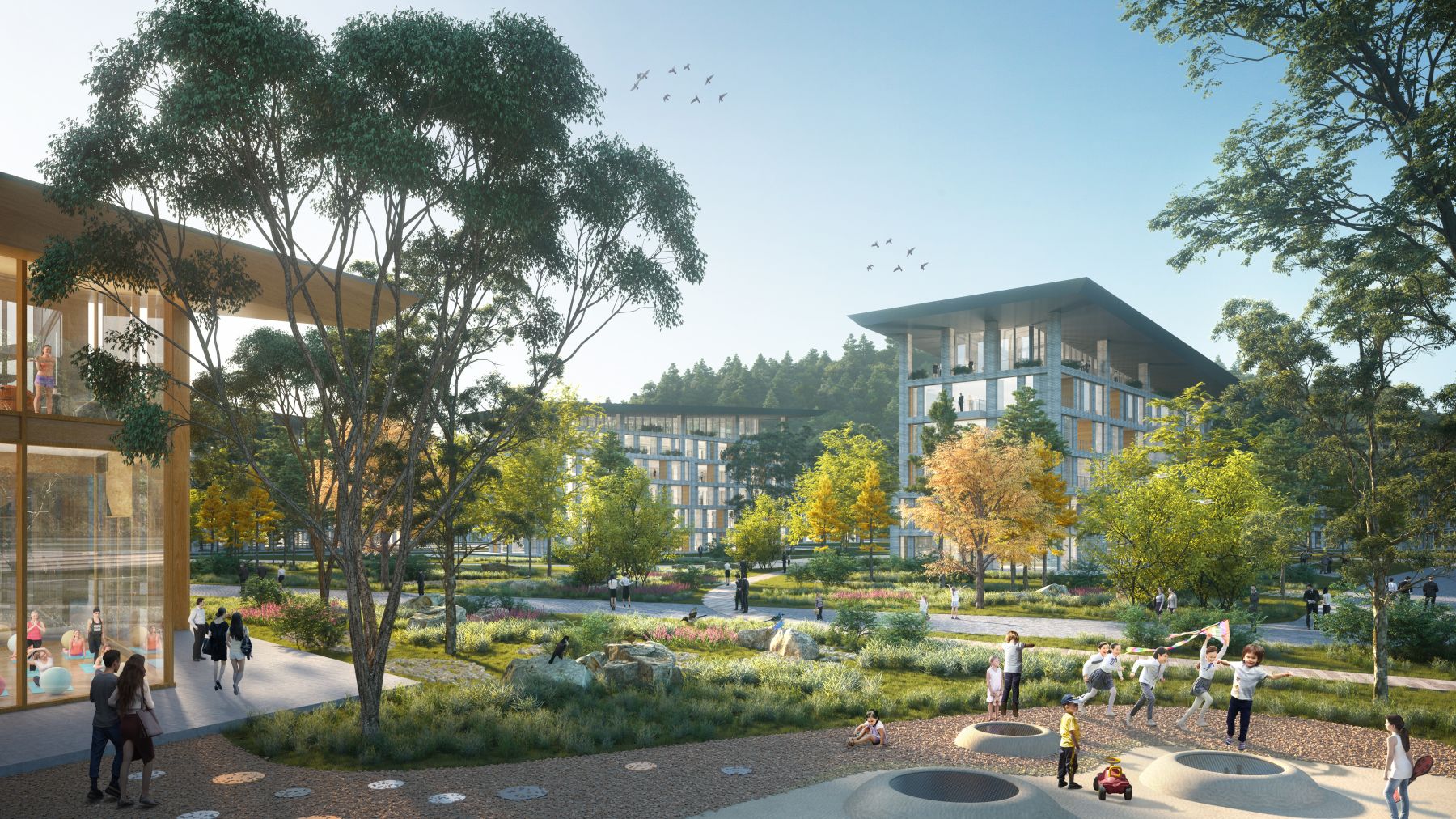
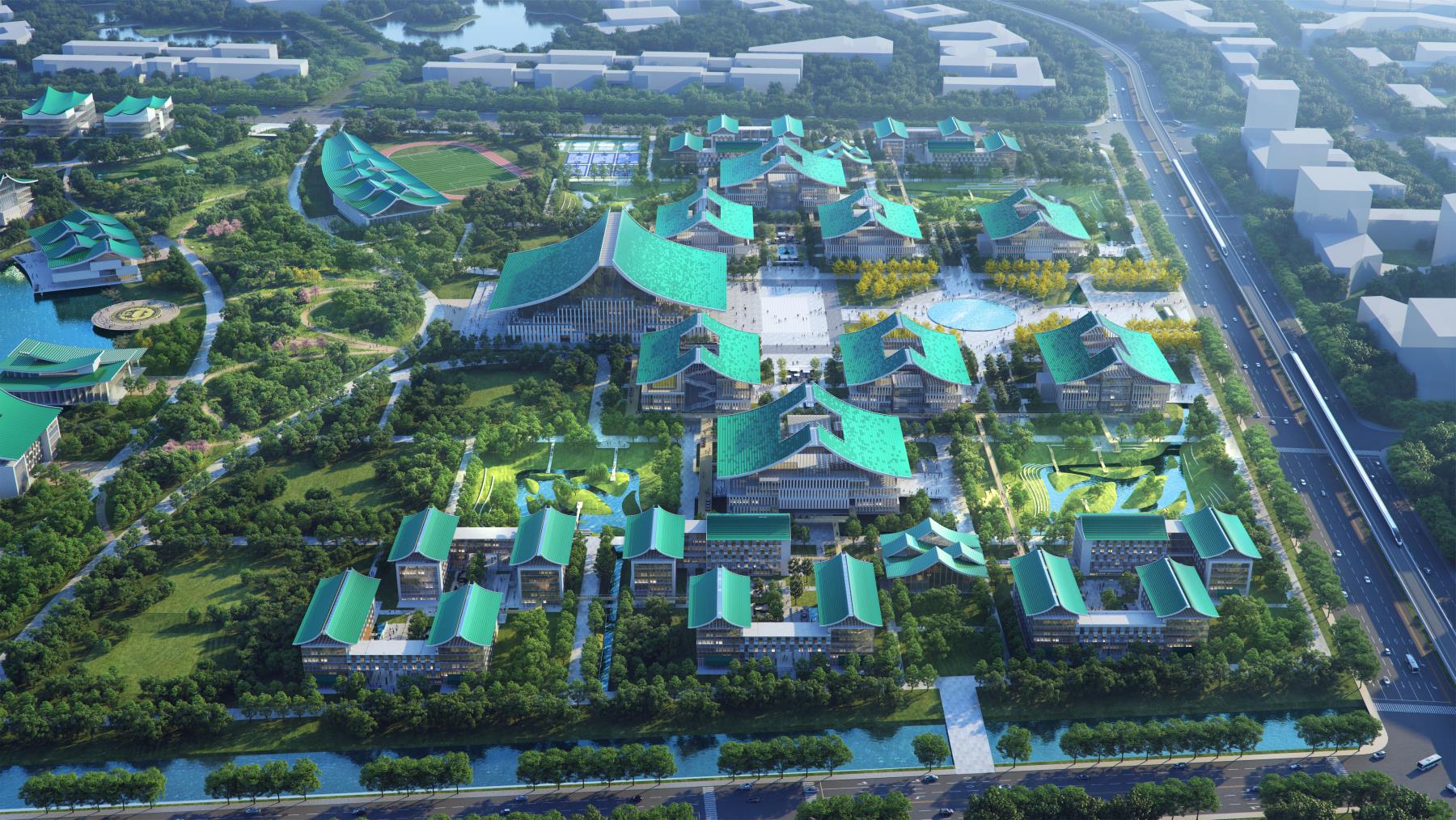

Visual Hierarchy In Architecture Products Pioneers in the Field
Top Selling Products

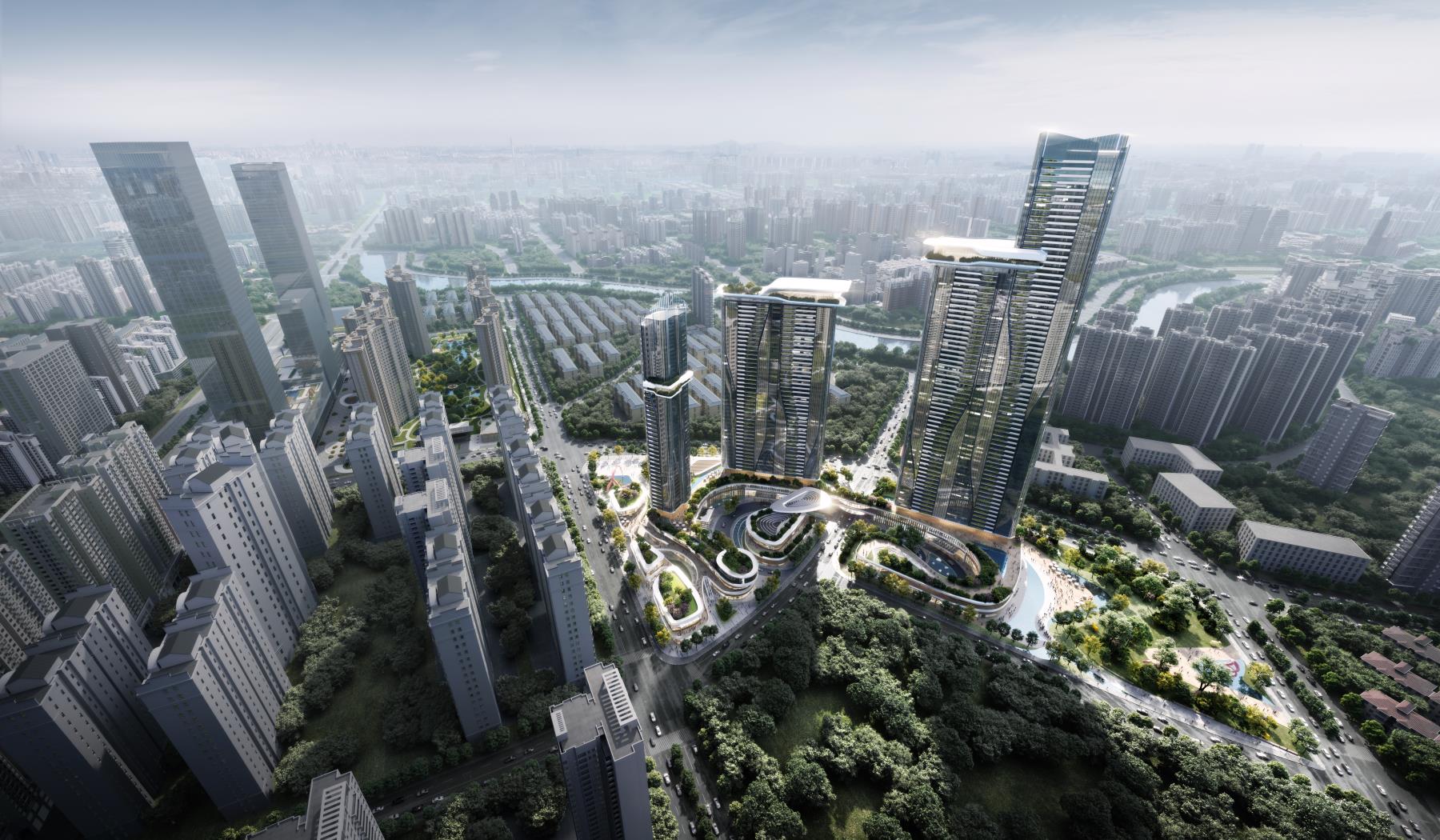
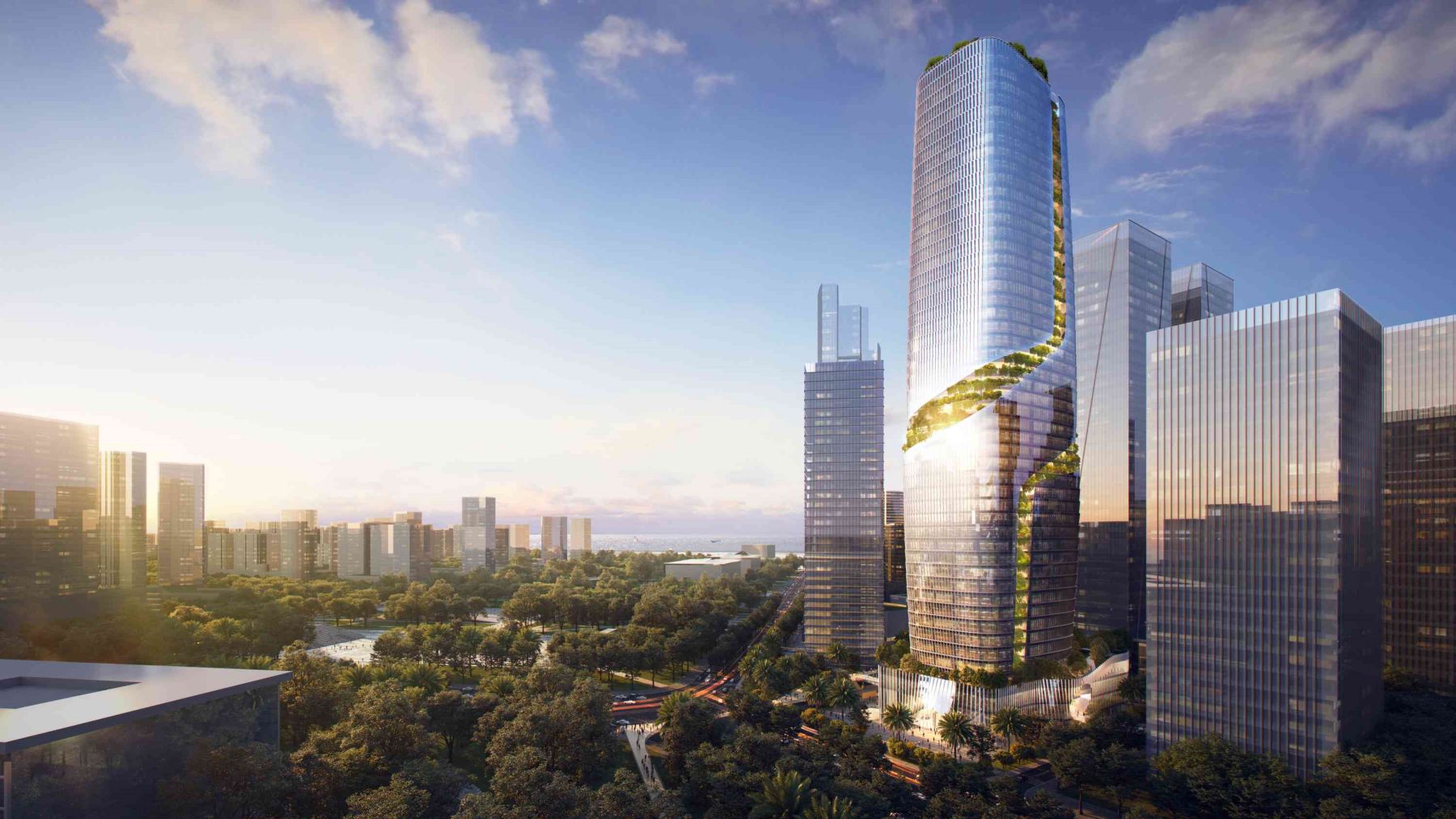
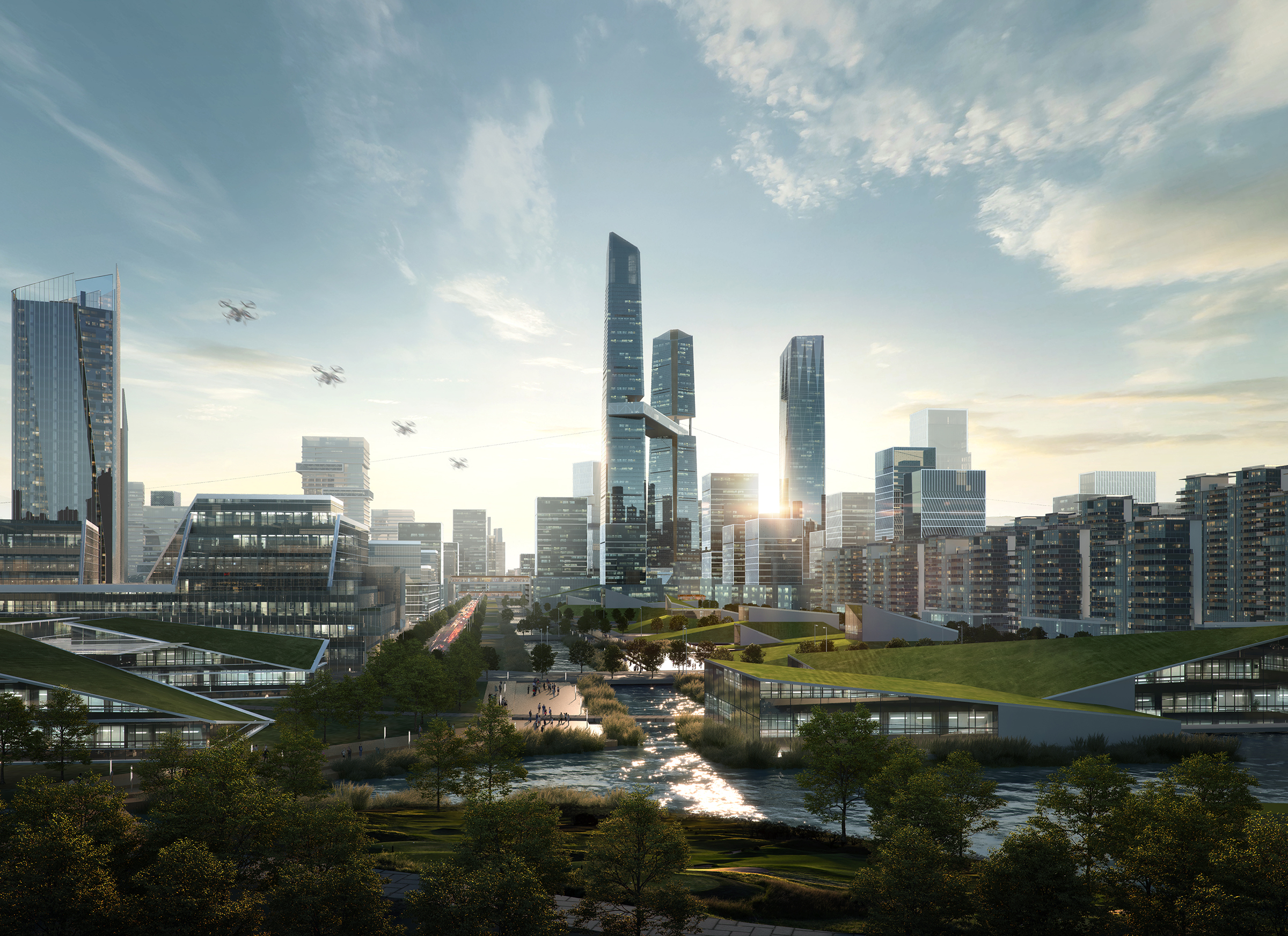

- Related Blog
- Related Videos
- Reviews
- Related Videos
- Reviews
Visual Hierarchy In Architecture Related Videos From Youtube

Contact
-
No. 18. Agricultural Machinery Institute, No. 261 Wushan Street, Tianhe District, Guangzhou, China.
-
7 Days a week from 8:00 am to 10:00 pm


